
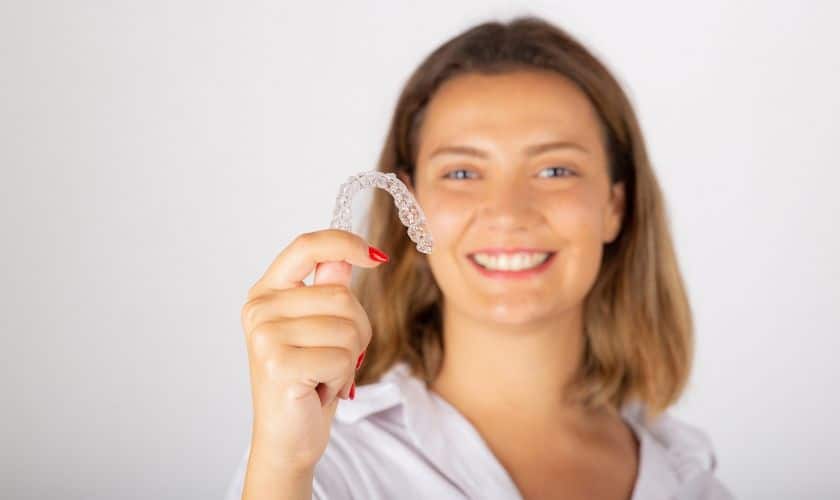
The teenage years are an important time for developing healthy smiles. As permanent teeth emerge and jaws continue to grow, some teens experience orthodontic concerns that affect their bite, appearance, and oral hygiene. Crooked teeth, gaps, crowding, and bite irregularities can make everyday activities such as chewing and brushing more challenging. Fortunately, modern orthodontic treatment offers discreet options that fit many teenagers’ lifestyles.
Invisalign uses a series of clear, removable aligners to gradually move teeth into improved positions. These custom-made trays offer an alternative to traditional metal braces for teens who want a less noticeable approach to straightening their smiles. Understanding how this treatment addresses common orthodontic problems can help families in Scottsdale make informed decisions about their teenagers’ oral health.
1. Correcting Crowded Teeth
Crowding occurs when there is insufficient space for all the teeth to align properly. As a result, teeth may overlap, twist, or grow out of their expected positions. Crowded teeth can also create tight spaces where food particles and plaque accumulate, making daily cleaning more difficult.
Clear aligners apply controlled pressure to gradually guide crowded teeth into better alignment. Depending on the severity of the crowding and the available space, treatment may involve carefully planned tooth movements and additional orthodontic procedures.
For teenagers with mild to moderate crowding, this approach can improve alignment while keeping their orthodontic treatment relatively discreet. A professional evaluation is necessary to determine whether aligners can address the specific arrangement of a teen’s teeth.
2. Closing Gaps Between Teeth
Spaces between teeth, known as diastemas when they occur between two front teeth, are another common orthodontic concern. These gaps may develop because of differences between tooth size and jaw size, inherited characteristics, or habits that influence tooth positioning.
Although small gaps are not always harmful, some teenagers feel self-conscious about them. Larger spaces can also affect how teeth fit together, depending on their location and the underlying cause.
Invisalign can gradually move selected teeth closer together, reducing unwanted spaces and creating a more uniform smile. The treatment plan considers the size and position of each gap to achieve appropriate alignment. If a gap results from an underlying issue, such as an unusually positioned frenum or a missing tooth, that concern may also need attention.
3. Improving Overbites and Underbites
Bite problems occur when the upper and lower teeth do not meet correctly. An overbite involves excessive vertical overlap of the upper front teeth, while an underbite occurs when the lower front teeth sit ahead of the upper front teeth.
These irregularities can sometimes contribute to uneven tooth wear, chewing difficulties, or jaw discomfort. Their causes may involve tooth positioning, jaw growth, or a combination of both.
Clear aligners can correct certain bite problems by moving teeth into more appropriate positions. Some treatment plans incorporate attachments or elastic bands to help guide specific movements. However, significant jaw discrepancies may require additional orthodontic methods or other interventions.
An early assessment helps families understand the available options and whether aligners alone can achieve a suitable result.
4. Addressing Crossbites
A crossbite develops when one or more upper teeth sit inside the corresponding lower teeth instead of outside them. It can affect the front or back teeth and may involve one side or both sides of the mouth.
When left unaddressed, some crossbites can contribute to uneven tooth wear and may affect how the teeth and jaws function together. During the teenage years, identifying bite irregularities can help determine the most appropriate treatment approach.
For selected cases, Invisalign can reposition teeth to improve the relationship between the upper and lower dental arches. More complex crossbites, particularly those involving jaw structure, may require additional treatment.
The best approach depends on the teen’s dental development, the severity of the crossbite, and the movements needed to establish a healthier bite.
5. Managing Mild Open Bites
An open bite occurs when certain upper and lower teeth do not touch when the mouth closes. In an anterior open bite, a space remains between the front teeth even when the back teeth meet.
This condition may affect biting into foods, speech patterns, and the appearance of the smile. Contributing factors can include tongue-thrusting habits, prolonged thumb-sucking, or differences in jaw development.
In appropriate cases, clear aligners can help bring the affected teeth into better contact. Treatment may also involve addressing habits that contribute to the problem. More pronounced open bites may need additional orthodontic care.
A thorough assessment helps determine whether aligners are suitable and whether other factors should be addressed to support lasting improvement.
6. Supporting Better Oral Hygiene
Straightening teeth is not only about appearance. Properly aligned teeth can be easier to clean because brushing and flossing become more manageable in areas that were previously crowded or difficult to reach.
Unlike fixed braces, clear aligners can be removed for meals, brushing, and flossing. This allows teenagers to maintain their usual oral hygiene routine without navigating brackets and wires.
However, aligners require consistent care. Teens should clean their teeth before putting the trays back in, rinse and clean the aligners as directed, and avoid drinking sugary beverages while wearing them. Water is generally the best choice during treatment.
Good hygiene habits help protect the teeth and gums while orthodontic treatment progresses.
7. Fitting Orthodontic Treatment Into Teen Life
Teenagers often balance school, sports, social activities, and extracurricular commitments. Because clear aligners are less noticeable than metal braces, some teens feel more comfortable wearing them in photographs, during presentations, and at social events.
The trays can also be removed for meals and contact sports when appropriate protective equipment is used. However, aligners must generally be worn for the recommended 20 to 22 hours daily to keep treatment on schedule.
For families exploring Invisalign in Scottsdale, understanding these responsibilities is an important part of deciding whether this option suits a teenager’s routine. Teens who frequently forget their aligners or struggle to follow instructions may find removable treatment more challenging.
What Should Parents Know Before Choosing Invisalign?
Not every orthodontic concern can be corrected with clear aligners alone. Treatment suitability depends on the teen’s dental development, bite, oral health, and the complexity of the required tooth movements.
During an orthodontic evaluation, the provider examines the teeth and bite, reviews relevant dental records, and discusses the expected treatment process. Parents and teens can learn about estimated treatment duration, follow-up appointments, aligner care, and any additional procedures that might be necessary.
At Kierland Dental Arts, families can explore orthodontic considerations and discuss whether clear aligners may be appropriate for their teenager’s needs. Consistent wear, regular monitoring, and good oral hygiene all contribute to a smoother treatment experience.
If your teenager has crowded teeth, unwanted gaps, or bite alignment concerns, Contact Us to learn more about available options. A personalized assessment can help clarify the next steps toward a healthier, more comfortable smile. Families can also arrange a consultation to visit our dental office and discuss their teenager’s orthodontic goals.
Frequently Asked Questions
1. At What Age Can Teenagers Start Invisalign?
Teenagers may be candidates once enough permanent teeth have erupted, and their dental development supports treatment. The appropriate starting age depends on individual tooth development, bite concerns, and an orthodontic evaluation.
2. How Long Does Invisalign Treatment Take for Teens?
Treatment commonly takes several months to two years, depending on the complexity of tooth movements and how consistently the aligners are worn. Individual timelines vary according to the treatment plan and progress.
3. Can Invisalign Fix Crowded Teeth in Teenagers?
Yes, clear aligners can correct many mild to moderate cases of crowding by gradually repositioning teeth. Severe crowding or cases requiring complex movements may need alternative or additional orthodontic treatment.
4. Can Teens Eat While Wearing Invisalign Aligners?
Teenagers should remove their aligners before eating meals or snacks. Eating with trays in place may damage them. Before reinserting the aligners, they should clean their teeth to reduce plaque buildup.
5. How Many Hours a Day Should Teens Wear Invisalign?
Most treatment plans recommend wearing aligners for 20 to 22 hours daily. Removing them too often can slow progress or affect results, so consistent wear is essential for staying on schedule.
6. Is Invisalign Suitable for Teenagers With Bite Problems?
Clear aligners can address certain overbites, underbites, crossbites, and open bites. Suitability depends on the severity and cause of the problem, and some cases require additional orthodontic treatment.
7. Are Clear Aligners Difficult for Teenagers to Maintain?
Clear aligners require daily cleaning, careful storage, and consistent wear. Teenagers should remove them before eating, clean their teeth before reinserting them, and follow instructions to prevent damage or loss.