
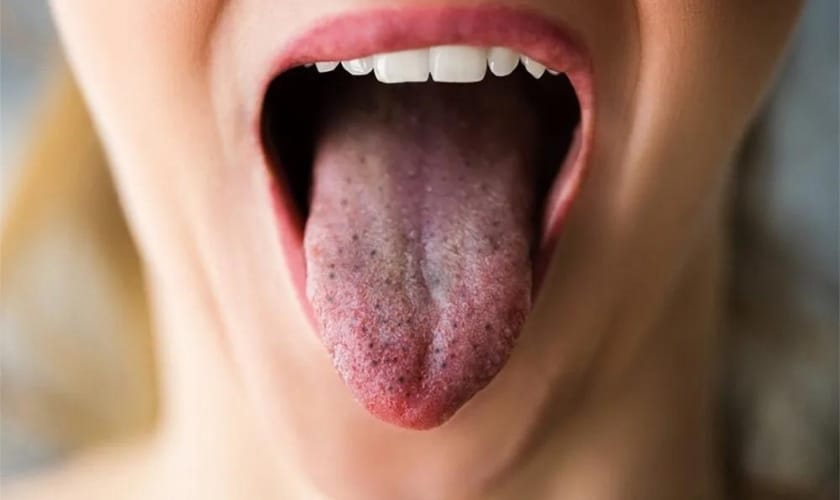
Noticing dark or black spots on your tongue can be alarming, but in most cases, this condition is harmless and treatable. Black spots on the tongue can result from a variety of factors ranging from simple lifestyle habits to underlying oral health issues. Understanding what causes these spots and how to address them is the first step toward a healthier, cleaner-looking tongue.
What Causes Black Spots on the Tongue?
Black spots on the tongue can develop for several reasons. One of the most common causes is a condition called “black hairy tongue,” which occurs when tiny bumps on the tongue’s surface, called papillae, grow longer than usual and trap bacteria, food particles, and debris. This buildup can create a dark, sometimes fuzzy-looking coating.
Other common causes include:
- Poor oral hygiene – Infrequent brushing or tongue cleaning allows bacteria and food debris to accumulate.
- Tobacco use – Smoking or chewing tobacco is strongly linked to discoloration and staining of the tongue.
- Certain medications – Antibiotics, bismuth-containing products (like some upset stomach remedies), and other medications can cause temporary tongue discoloration.
- Excessive coffee, tea, or red wine consumption – These beverages can stain the tongue’s surface over time.
- Dry mouth – Reduced saliva flow allows bacteria to thrive, contributing to discoloration.
- Oral thrush or fungal overgrowth – In some cases, fungal infections can lead to darker patches.
- Trauma or irritation – Minor injuries to the tongue can sometimes cause dark spots as they heal.
While most black spots are benign, spots that are persistent, painful, rapidly changing in size or shape, or accompanied by other symptoms should always be evaluated by a dental professional to rule out more serious conditions.
How to Remove Black Spots on the Tongue
The right treatment depends on the underlying cause, but here are effective ways to address and reduce black spots:
1. Improve Your Oral Hygiene Routine
Brushing your tongue gently every time you brush your teeth helps remove bacteria and debris before they build up. A tongue scraper can be even more effective at lifting away the coating that causes discoloration.
2. Stay Hydrated
Drinking plenty of water throughout the day helps maintain healthy saliva flow, which naturally washes away bacteria and food particles that contribute to staining.
3. Limit Staining Foods and Drinks
Cutting back on coffee, tea, red wine, and dark sodas can prevent further staining and give existing spots time to fade.
4. Quit Tobacco Products
Since tobacco use is one of the leading causes of tongue discoloration, quitting smoking or chewing tobacco can significantly improve the appearance of your tongue over time.
5. Review Your Medications
If you suspect a medication is causing the discoloration, talk to your doctor or dentist. They can help determine whether an alternative option is available.
6. Practice Good Overall Oral Care
Regular brushing, flossing, and using an alcohol-free mouthwash can help maintain a balanced oral environment and prevent bacterial overgrowth.
7. Professional Dental Cleaning
Sometimes at-home care isn’t enough to fully eliminate stubborn spots. A professional cleaning can remove built-up plaque, tartar, and bacteria that home care might miss, giving your tongue a fresh start.
When to See a Dentist
If black spots persist despite improved hygiene habits, or if you notice swelling, pain, bleeding, or unusual textures, it’s important to seek professional evaluation. A dental professional can examine your tongue closely, determine the exact cause, and recommend a personalized treatment plan. At Kierland Dental Arts, our team can assess your oral health and guide you toward the right solution for a cleaner, healthier tongue.
Preventing Future Discoloration
Prevention is always easier than treatment. Maintaining a consistent oral hygiene routine, staying hydrated, moderating your intake of staining foods and drinks, and avoiding tobacco products are the best ways to keep your tongue looking healthy long-term. Routine dental checkups also play a key role in catching potential issues early, before they become more noticeable or harder to treat.
If you’ve tried home remedies without success, don’t hesitate to Contact Us for professional guidance tailored to your specific needs.
A healthy tongue is a reflection of good overall oral health. Small, consistent habits can make a significant difference in preventing and reducing black spots over time. However, when in doubt, professional insight is invaluable. Feel free to visit our dental clinic for a thorough evaluation and personalized care plan.
Frequently Asked Questions
1. Are black spots on the tongue dangerous?
Most black spots are harmless and linked to hygiene, diet, or medication. However, persistent, painful, or changing spots should be checked to rule out more serious underlying conditions.
2. Can poor oral hygiene cause black spots?
Yes, infrequent tongue cleaning allows bacteria, food debris, and dead cells to accumulate on elongated papillae, creating a dark, sometimes fuzzy coating known as black hairy tongue.
3. Does smoking cause tongue discoloration?
Smoking and tobacco use are major contributors to tongue staining. Chemicals in tobacco products can darken the tongue’s surface and worsen existing discoloration over time.
4. How long does it take to remove black spots naturally?
With consistent hygiene improvements, mild discoloration may fade within one to two weeks, though more stubborn staining could take longer depending on the underlying cause.
5. Can certain foods cause black spots on the tongue?
Yes, dark beverages like coffee, tea, and red wine can stain the tongue’s surface, especially when combined with reduced saliva flow or infrequent tongue cleaning.
6. Is a tongue scraper effective for removing spots?
A tongue scraper can effectively remove built-up bacteria, debris, and dead cells from the tongue’s surface, reducing discoloration and improving overall oral freshness.
7. When should I see a dentist about tongue discoloration?
See a dentist if spots persist despite good hygiene, grow larger, become painful, or are accompanied by swelling, bleeding, or unusual texture changes on the tongue.