
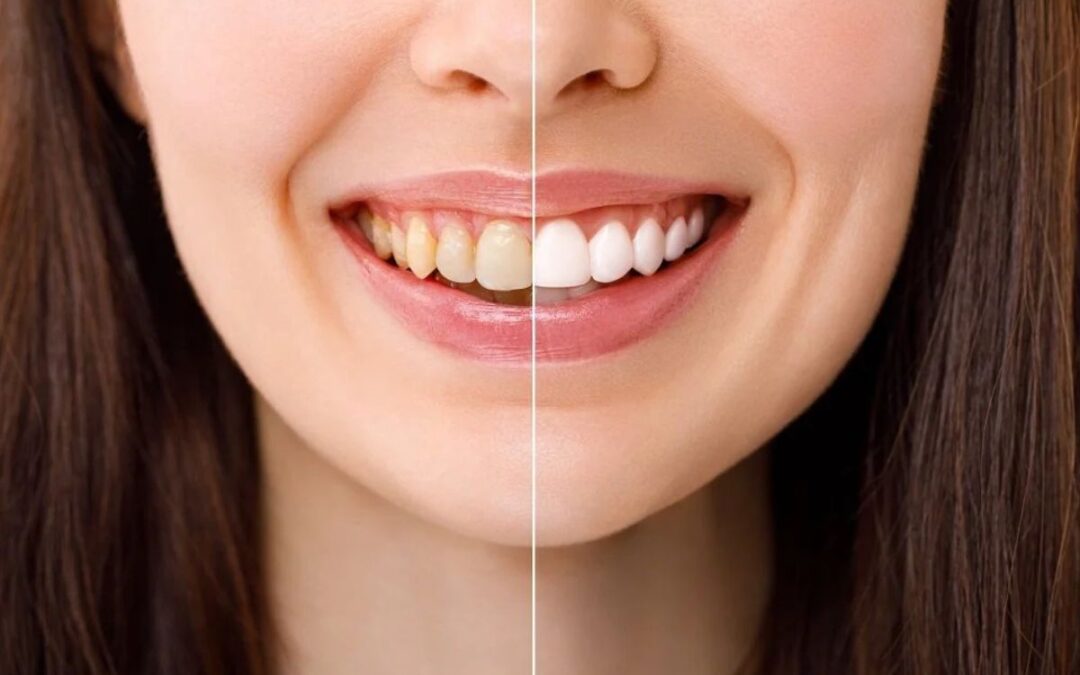
Living in Scottsdale means plenty of sunshine, social gatherings, and moments where your smile naturally takes center stage. From weekend strolls through Old Town to meeting friends at your favorite local café, a bright and confident smile often feels like part of the lifestyle here. That is one reason why so many people look into whitening options to keep their teeth looking best. But along with that interest comes a common concern: how safe is teeth whitening for your enamel?
It is a fair question, especially when you hear mixed opinions online or see countless products promising fast results. Your enamel plays a critical role in protecting your teeth, so understanding how whitening affects it is essential before you start any treatment. In this guide, we will break down what actually happens during whitening, separate myths from facts, and help you make informed choices that keep your smile both bright and healthy.
Understanding Enamel and Why It Matters
Enamel is the outer layer of your teeth. It protects the inner layers from damage, sensitivity, and decay. Even though it is the hardest substance in your body, it is not indestructible. Once enamel wears away, your body cannot regenerate it.
That is why concerns about whitening make sense. If something affects enamel, it affects the long-term health of your smile.
What Really Happens During Teeth Whitening?
Teeth whitening relies on active ingredients like hydrogen peroxide or carbamide peroxide to lift stains from the surface of your teeth. These ingredients break stain molecules into smaller particles, which helps your teeth reflect light more evenly and appear brighter. The important thing to understand is that this process does not scrape or remove enamel. Instead, it works within the tooth structure to improve the overall appearance of your smile.
Enamel is naturally strong and rich in minerals, which makes it well-equipped to handle properly administered whitening procedures. In professional settings, treatments are carefully controlled to stay within safe limits. The formulas are designed to be effective while still protecting the integrity of your teeth. Dentists also closely monitor the application time, reducing the risk of overexposure and helping ensure your enamel remains healthy throughout the process.
It is common for some people to experience mild sensitivity after whitening. This usually happens because the whitening agents temporarily reach the inner layer of the tooth. The sensation is short-term and typically fades within a few days. It does not indicate damage to your enamel. Following professional recommendations and aftercare advice can make the process more comfortable and help you get the best results without unnecessary discomfort.
Safety of Teeth Whitening and Enamel Protection
Clinical research shows that approved methods do not harm enamel. The American Dental Association confirms that regulated products are safe when used correctly. The main thing to remember is the importance of supervision and using products correctly. Issues usually happen when they are misused or used excessively.
Risks Linked to Improper Use
Unregulated products may contain harsh ingredients. Using them too often or incorrectly can cause gum irritation or make your teeth more sensitive. Many DIY remedies you find online use acidic substances, which can weaken your enamel if used too much. It’s best to avoid these to keep your smile healthy.
Role of Professional Evaluation
A dental evaluation is a helpful step that checks for cavities, gum health, and existing restorations. It makes sure the procedure is safe and suitable for your unique needs. Also, it contributes to achieving a beautiful, even, and natural-looking brightness that you can be confident in.
Common Myths About Whitening
Here are some of the most common myths:
Whitening Permanently Damages Teeth
This myth often arises from confusion with older methods. Rest assured, modern treatments are designed to stay within safe limits and do not erode enamel.
Stronger Means Better Results
Having a higher concentration doesn’t always mean you’ll get better outcomes. Using it carefully and in a controlled manner helps ensure more reliable and safer results.
Whitening Weakens Teeth
Your teeth stay strong and healthy after the smile brightening! The treatment focuses on removing stains without affecting the structure of your teeth.
Natural Remedies Are Safer
Many home remedies contain abrasive or acidic ingredients, which can gradually wear down your enamel. Getting professional care can help you avoid these risks and keep your teeth healthier.
What Should You Expect During and After Whitening?
These are the steps that follow:
Before the Process
Your dental team starts with a thorough evaluation, carefully checking for any issues that could impact the results. They may suggest a cleaning to remove surface buildup, and you’ll have a chance to discuss your goals. This collaborative approach helps determine whether in-office or take-home trays are the best fit for you, ensuring your smile journey is personalized and comfortable.
During the Procedure
During the in-office teeth whitening treatment, the team will first apply a protective barrier to protect your gums. Then, the professionals will gently apply the smile-brightening agent to your teeth, carefully monitoring the process to ensure everything goes smoothly. If needed, they make slight adjustments to give you even, beautiful results. Most treatments are completed in a single visit. For the take-home method, the dental professionals create custom trays that fit your teeth perfectly. This makes it easy to apply the gel as instructed over several days, giving you convenient, professional results from the comfort of your home.
Immediately After the Treatment
You might notice a noticeable boost in brightness, which is an exciting change! Some people may feel a bit of mild sensitivity at first, but don’t worry, it’s just temporary and will pass quickly. Your dental team is always ready to provide clear aftercare instructions that will help keep your results looking great and minimize any sensitivity.
The First Few Days After Treatment
Avoid foods and drinks that can stain your teeth. Coffee, tea, and red wine can affect results during this period. Stick to lighter foods and maintain good oral hygiene, which could help stabilize the effect. After enjoying local favorites like Sonoran hot dogs or iced drinks on warm evenings, small habits can help keep your smile bright.
Maintaining Your Whitening Results Over Time
Here are some factors that you should keep in mind for maintaining your newly achieved bright smile:
Daily Care Makes a Difference
Remember to brush your teeth twice a day and floss regularly, it’s a wonderful way to keep your smile bright and healthy! Doing so helps remove plaque and keeps those new stains at bay, so you can feel confident in your beautiful smile. Using a non-abrasive toothpaste helps maintain enamel strength.
Be Mindful of Staining Habits
Did you know that some foods and drinks can temporarily dull your bright smile? Using a straw when you drink beverages can help keep your teeth shiny by reducing contact with them. Plus, rinsing your mouth after meals is a simple and effective way to help minimize staining and keep your smile looking its best!
Regular Checkups Support Long-Term Results
Routine dental visits help monitor your oral health. Your dental professional can suggest touch-ups when needed. This ensures your smile stays consistent over time and becomes more effective with proper maintenance and guidance.
Take the Next Step Toward a Brighter Smile
1. Does teeth whitening damage enamel permanently?
No, teeth whitening does not permanently damage enamel when used as directed. Professional treatments are designed to be safe and controlled. Temporary sensitivity may occur, but it usually fades within a few days without causing long-term harm.
2. How often can I whiten my teeth safely?
Most people can whiten their teeth every six months to a year, depending on their habits and the method used. It is best to follow your dentist’s advice to avoid overuse and maintain the health of your enamel.
3. Why do my teeth feel sensitive after whitening?
Sensitivity happens because whitening agents temporarily affect the inner layer of the tooth. This does not mean your enamel is damaged. The sensation typically goes away within a short period.
4. Are over-the-counter whitening products safe?
Many over-the-counter products are safe if used correctly, but they are not always tailored to your specific dental needs. Misuse can lead to irritation or uneven results, which is why professional guidance is helpful.
5. Can whitening work on crowns or veneers?
No, whitening agents do not change the color of crowns, veneers, or fillings. If you have these restorations, your dentist may recommend other options to match your overall smile.
6. Is whitening safe for people with sensitive teeth?
Yes, but it should be approached carefully. Dentists can recommend gentler formulas or shorter treatment times to reduce discomfort while still achieving good results.
7. What is the safest way to whiten teeth?
The safest way is to undergo a professional evaluation and follow a customized plan. This ensures your enamel stays protected while you get the results you want.