
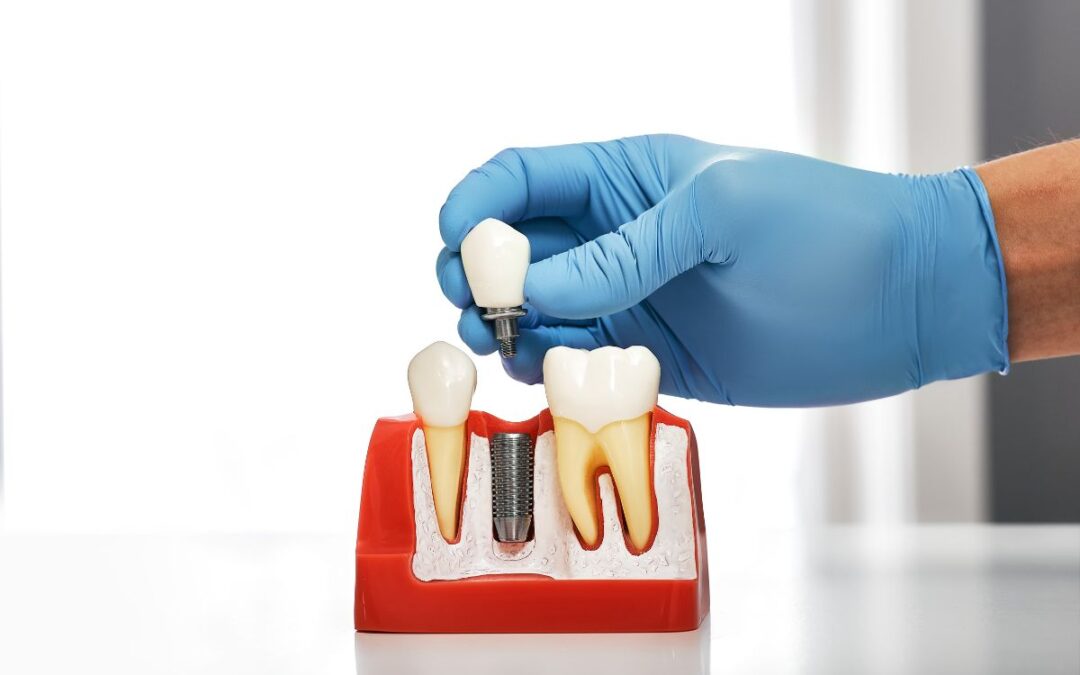
When most people hear the word “implant,” they assume it is completely maintenance-free. Since dental implants are not natural teeth, they cannot develop cavities the way natural teeth do. That part is true, but there is more to protecting an implant than avoiding decay.
While the implant itself cannot develop a cavity, the surrounding gums and bone can still become infected or damaged if proper oral hygiene is neglected. Plaque buildup, gum inflammation, and peri-implant disease can all threaten the long-term stability of your implant.
Understanding how implant complications develop can help you protect your smile and keep your restoration healthy for years to come.
Why Dental Implants Don’t Get Cavities
Natural teeth contain enamel, which can break down when exposed to acids and bacteria. Dental implants, on the other hand, are made from durable materials such as titanium and porcelain that do not decay.
However, the tissue supporting the implant is still vulnerable to bacteria. When plaque accumulates around the gumline, it can irritate the surrounding tissue and lead to inflammation. If left untreated, this may develop into peri-implantitis, a condition similar to gum disease that can gradually damage the bone supporting the implant.
Although the implant itself remains intact, the surrounding infection can eventually compromise its stability.
Signs Your Dental Implant May Need Attention
Dental implants are designed to feel comfortable and secure. If you notice unusual symptoms around an implant site, it is important to schedule an evaluation promptly.
Persistent Redness or Swelling
Healthy gums should fit snugly around the implant without irritation. Ongoing redness, tenderness, or swelling may indicate plaque buildup or early inflammation around the implant. Addressing the issue early can often prevent more serious complications.
Bleeding Around the Implant
Bleeding that continues despite proper brushing and flossing is often an early warning sign of gum inflammation. While occasional sensitivity can happen, persistent bleeding should never be ignored. Professional cleaning and treatment can usually stop the problem before it progresses.
A Loose or Unstable Implant
A dental implant should feel as stable as a natural tooth root. If you notice movement, pressure changes, or looseness while chewing, contact your dentist immediately. In some cases, the crown attached to the implant may simply need adjustment, but any instability should be evaluated quickly.
Sensitivity or Discomfort
Because implants do not contain nerves, sudden discomfort often indicates irritation of the surrounding gums or bone. Pain while chewing, soreness near the implant, or unexpected sensitivity may indicate an infection, a bite imbalance, or excessive pressure on the implant.
Gum Recession
If the gums begin pulling away from the implant, more of the crown or metal post may become visible. Gum recession can affect both appearance and implant stability. It may result from inflammation, bone loss, smoking, or aggressive brushing habits.
Why Gum Health Is Essential for Implant Success
Many patients focus only on the visible crown attached to the implant, but the real support system lies beneath the gums. Healthy gum tissue creates a protective seal around the implant, helping keep harmful bacteria away from the underlying bone.
When bacteria penetrate this area, inflammation can begin quietly and progress without obvious symptoms. In advanced cases, bone loss may occur before the patient even realizes there is a problem.
Several factors can increase the risk of implant complications, including:
- Poor oral hygiene
- Smoking or tobacco use
- Uncontrolled diabetes
- Skipping regular dental cleanings
- A history of gum disease
Even high-quality implants require consistent maintenance to remain healthy long term.
Daily Habits That Help Protect Your Implant
The care routine for implants is similar to that for natural teeth, with a few specific additions.
- Brush twice daily using a soft-bristle toothbrush. Gentle is the key word; hard-bristled brushes can irritate the gum tissue around the implant base.
- Floss daily or use a water flosser, which is particularly effective at flushing debris and bacteria from the gum pocket around the implant.
- Use non-abrasive toothpaste. Highly abrasive formulas can micro-scratch the crown surface over time, making it slightly more susceptible to surface staining and bacterial adherence.
- Visit your dentist for professional cleanings at least twice a year, more frequently if you’re prone to gum disease. Professional instruments can access areas around the implant collar that a regular toothbrush simply cannot reach.
- Quit smoking if you haven’t already. Tobacco use is one of the strongest documented risk factors for peri-implantitis and implant failure, significantly impairing the gum tissue’s ability to heal and maintain a healthy seal around the implant post.
Can Food Get Trapped Around Dental Implants?
Yes. Food particles and plaque can collect around the gumline of an implant, especially if flossing is inconsistent. Over time, this buildup can irritate the gums and contribute to inflammation or infection.
This is one reason regular dental visits remain important even after implant treatment is complete. Professional cleanings help remove bacteria and buildup from areas that are difficult to clean at home.
Protect Your Dental Implants With Proper Care
Dental implants are an excellent solution for replacing missing teeth and can last a lifetime with proper care. While implants themselves don’t develop cavities, they still require attention to the surrounding gums and the crown that sits on top of them. By brushing, flossing, and visiting your dentist regularly, you can ensure your implants remain healthy and functional for years to come.
At Kierland Dental Arts, we help patients maintain healthy, confident smiles through personalized preventive and restorative care. Schedule a consultation at our Scottsdale office to learn how to keep your dental implants healthy, secure, and functioning beautifully for years to come.
FAQs About Dental Implants and Cavities
1. Can dental implants get cavities?
No, dental implants cannot get cavities because they are made from materials like titanium and porcelain that do not decay. However, the gums around the implant can still develop infections if plaque and bacteria are not removed properly. Good oral hygiene is still essential for long-term implant health.
2. What is peri-implantitis?
Peri-implantitis is an infection that affects the gum tissue and bone surrounding a dental implant. It usually develops when bacteria and plaque build up around the implant area. If left untreated, it can weaken the bone and may eventually lead to implant failure.
3. How do I clean around a dental implant?
You should brush your teeth twice a day using a soft-bristle toothbrush and floss carefully around the implant. Regular dental cleanings also help remove plaque from hard-to-reach areas. Your dentist may recommend special cleaning tools to maintain healthy gums.
4. Can an implant fail years later?
Yes, an implant can fail even years after placement if the surrounding gums and bone become unhealthy. Smoking, gum disease, poor oral hygiene, and certain medical conditions can increase the risk. Routine dental visits help detect problems early before they become serious.
5. Do dental implants feel like real teeth?
Most patients say dental implants feel very close to natural teeth once healing is complete. They stay securely in place and allow you to eat, speak, and smile comfortably. Because they are anchored into the jawbone, they provide strong support and stability.
6. How often should implants be checked?
Dental implants should usually be checked during routine dental visits every six months. These appointments allow your dentist to monitor the health of the implant, gums, and surrounding bone. Regular exams can help prevent complications and keep your implant functioning properly.
7. Are dental implants safe for older adults?
Yes, dental implants are a safe and effective option for many older adults. Age alone does not prevent someone from being a good candidate for treatment. Healthy gums, good overall health, and adequate bone support are the most important factors.