
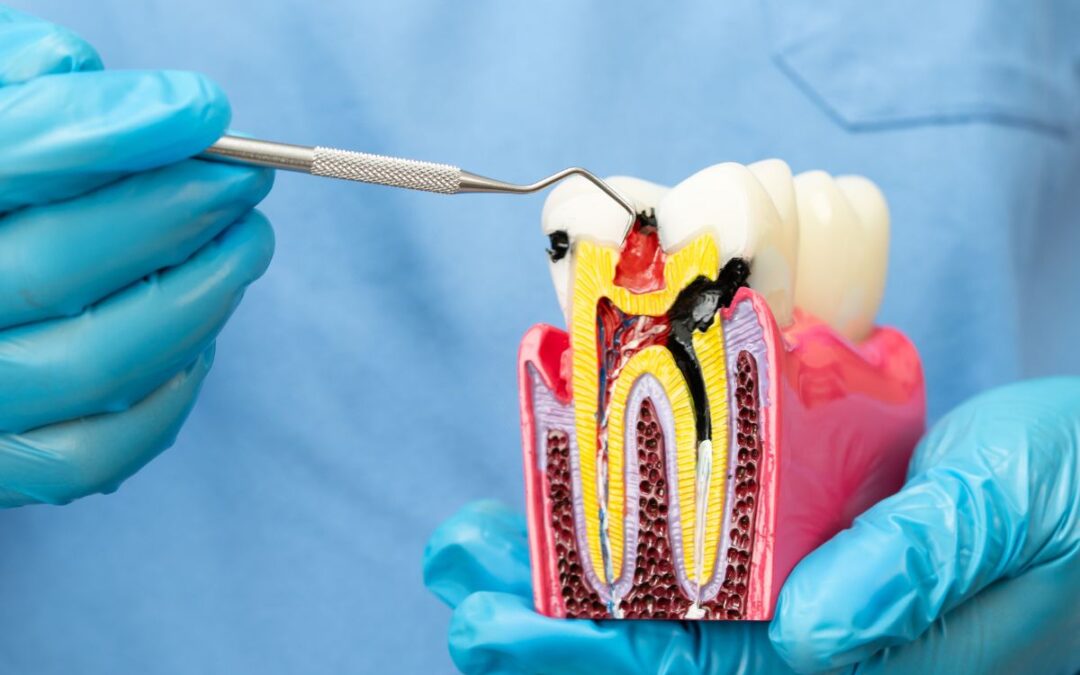
When a tooth is damaged by decay, trauma, or infection, it can affect not only your smile but also your overall oral health. Root canal treatment is a highly effective procedure that saves compromised teeth, relieves pain, and restores proper function. Many patients are surprised to learn that this treatment can protect their natural teeth while preventing the need for extraction. In this blog, we’ll dive into how root treatment works and why it’s essential for your overall health.
Why Root Canal Therapy is Necessary?
Root Canal Therapy is designed to save a tooth that has become severely damaged or infected, typically due to deep cavities, trauma, or repeated dental procedures. When the tooth’s pulp (the soft tissue inside the tooth) becomes infected, it can cause intense pain, swelling, and even tooth loss if left untreated. The procedure involves removing the infected pulp, cleaning the roots, and then sealing the tooth to prevent further infection. This not only saves the tooth but also helps prevent the infection from spreading to surrounding teeth and gums.
What Happens During Root Canal Therapy?
Root therapy is typically performed in two visits. Here’s an overview of what happens during the procedure:
Diagnosis and Preparation
Before performing the treatment, your dentist will examine the affected tooth and take X-rays to determine the extent of the infection or damage.
Cleaning the Tooth
Once the area is numbed, the dentist will make a small opening in the tooth to access the pulp. The infected pulp is carefully removed, and the roots are cleaned and disinfected to ensure no bacteria remain.
Sealing and Restoration
After the canals are cleaned, the dentist fills the tooth with a biocompatible material to seal it. A crown may be placed on the tooth to restore its strength and function. This is particularly important for the back teeth, which are responsible for heavy chewing.
Benefits of Root Canal Therapy
If you are considering root canal therapy, first learn about the benefits. This treatment offers several pros that make it an essential procedure for those with damaged or infected teeth:
- Saves the Tooth: Instead of removing the damaged tooth, root therapy lets you keep it, preserving your natural smile.
- Prevents Further Infection: Cleaning and sealing the tooth eliminates the source of infection, preventing bacteria from spreading.
- Reduces Pain: The procedure eliminates the pain caused by infection, offering long-term relief.
- Restores Function: After the procedure, the tooth functions normally, allowing you to eat, speak, and smile without discomfort.
Root Canal Treatment: Why It’s Important
Root Canal Treatment can prevent the spread of infection to other teeth and ensure that your tooth remains functional for years. Without treatment, an infected tooth can lead to more severe problems, including abscesses, jawbone damage, and even tooth loss.
Common Myths About Root Canal Treatment
There are several misconceptions about this treatment, and it’s important to separate fact from fiction. Let’s explore some common myths and discover the truths behind them together!
Myth: Root canals are painful
Truth: Thanks to modern anesthesia, root therapy is typically no more painful than getting a routine filling. Most patients report minimal discomfort both during and after the procedure.
Myth: A root therapy can be done in just one visit
Truth: While some simple cases can be treated in a single visit, more complicated cases may require multiple visits to ensure thorough cleaning and restoration.
Myth: A root treatment is always the last resort
Truth: A root canal is often the best option for saving an infected or severely damaged tooth and can prevent the need for an extraction.
Get Relief from Tooth Pain with Us
If you’re dealing with a toothache or think you might need a root canal, don’t wait. Schedule a consultation with Kierland Dental Arts in Scottsdale, AZ, and let our experienced team help restore your smile and keep your teeth healthy for years to come.
FAQs About Root Canal Therapy
How long does a root canal take?
The procedure typically lasts 1-2 hours, but this can vary depending on the infection’s complexity. Sometimes, a second visit might be needed to ensure everything is fully taken care of.
Will I feel pain during the procedure?
Most patients experience little to no pain during the procedure due to anesthesia. Any discomfort afterward is usually mild and easy to handle.
What is the recovery time after a root canal?
Recovery typically only takes a few days. You might feel mild discomfort, but the good news is that most people can get back to their normal activities within 1-2 days.
Can a root canal fail?
While rare, a root treatment can fail if the infection wasn’t completely removed or if the tooth becomes re-infected. Proper aftercare helps reduce this risk.
Is a crown necessary after a root treatment?
Most patients find that a crown helps restore their tooth’s structure and function, especially for their back teeth that do a lot of heavy chewing.
What are the signs that I need a root canal?
Pain, sensitivity to hot and cold, swelling, and gum tenderness are common signs that you might need root therapy. Don’t worry, these symptoms are signals from your body telling you to seek care before things get worse.
How can I prevent needing a root canal?
Regular dental check-ups, combined with maintaining good oral hygiene habits such as daily brushing and flossing, are essential. It can help prompt treatment for cavities and other dental issues and significantly reduce the need for more invasive procedures, such as root canal treatment.