
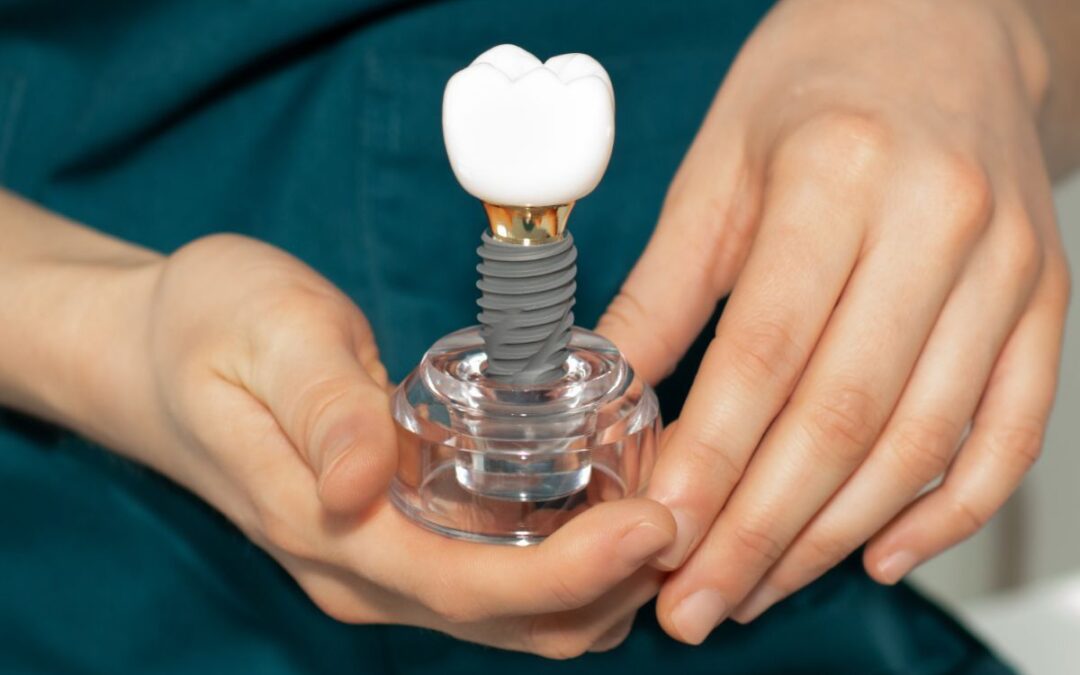
Dental implants are designed to look, feel, and function like natural teeth. When properly cared for, they can last for many years. However, like natural teeth, dental implants can still develop infections if daily care is ignored. The good news is that most implant infections are preventable with the right habits and timely professional care.
Let us walk through the simple and practical steps that make a real difference.
Understanding Post-Surgery Dental Implant Care
After dental implant placement, your mouth needs time to heal. Following your dentist’s instructions during this phase is critical. These guidelines are designed to protect the implant site while your jawbone and gums recover.
Patients are usually advised to keep the area clean without disturbing the surgical site. Gentle brushing around the implant area and rinsing as recommended helps reduce bacteria. Skipping these steps can increase the risk of infection before healing is complete.
You should also pay attention to swelling, tenderness, or unusual discomfort. These signs are common at first but should improve gradually. If symptoms worsen rather than improve, it is important to contact your dentist right away.
Avoid Harmful Habits That Delay Healing
Daily habits play a major role in implant success. Some actions may seem harmless but can interfere with healing and raise the risk of infection.
Smoking is one of the biggest concerns. It reduces blood flow to the gums and slows the healing process. This makes it easier for bacteria to grow around the implant.
Chewing on hard foods too soon can also irritate the implant site. Crunchy snacks and sticky foods may put pressure on healing tissue. A softer diet during early recovery can help protect the area.
Grinding or clenching your teeth can also affect implant stability. If you have this habit, your dentist may recommend protective options to reduce strain on your implants.
Signs and Symptoms of Dental Implant Infections
Knowing the warning signs of infection allows you to act quickly. Early treatment can prevent more serious complications.
-
Redness or swelling around the implant site that does not improve
-
Ongoing pain or tenderness near the implant
-
Bleeding around the implant during brushing or chewing
-
A bad taste in the mouth or pus near the implant area
-
Gums pulling away from the implant
-
Discomfort or pain while biting or chewing
-
A loose feeling around the dental implant
-
Persistent bad breath that does not go away with brushing
These signs shouldn’t be ignored. Getting prompt dental care after implant treatment can help protect the implant and support the return of healthy gum tissue.
How Can You Prevent Infection?
Prevention starts with excellent oral hygiene. Brushing twice a day and flossing daily helps remove plaque and bacteria around implants. Special floss or interdental brushes can help clean hard-to-reach areas.
Regular dental checkups are just as important. Professional cleanings remove buildup that brushing alone cannot reach. Your dentist can also monitor your implant and catch early signs of infection.
Healthy lifestyle choices matter too. Eating a balanced diet supports your immune system and gum health. Staying hydrated helps keep bacteria under control.
Many patients undergoing Dental Implant Treatment are surprised to learn that implants need just as much care as natural teeth. When daily habits and professional care work together, the risk of infection stays low.
How Is an Infection Treated?
Treatment depends on how early the infection is detected. Mild infections can often be managed with deep cleaning and medication to control bacteria.
In more advanced cases, additional procedures may be needed to clean the implant area and support healing. The goal is always to stop the infection and protect the implant structure.
This is why regular dental visits matter. Early treatment is usually simpler and more comfortable than delayed care.
Schedule Your Dental Implant Checkup Today
Dental implants are an investment in your smile and your quality of life. Protecting them from infection is easier than many people expect. It simply takes consistency, awareness, and professional support.
At Kierland Dental Arts, we focus on long-term implant health through personalized care and patient education. If you have dental implants or are planning to receive them, our experienced dentist, Dr. Jeff Johannesmeyer, and his caring team will help you to stay proactive. Visit us today at our dental office in Scottsdale to keep your dental implants healthy and enjoy a confident, comfortable smile for years to come.
FAQs About Dental Implant Care
Can dental implants get infected years later?
Yes, infections can occur even years after placement if oral hygiene declines. Bacteria can build up around the implant, just as they do around natural teeth. Regular cleanings help prevent this.
How often should implants be professionally cleaned?
Most patients benefit from cleanings every six months. Some may need more frequent visits based on gum health. Your dentist will guide you.
Is brushing enough to protect dental implants?
Brushing is essential, but not enough on its own. Flossing and professional cleanings are also needed to remove hidden plaque.
What is peri-implant disease?
It is an infection that affects the gums and bone around a dental implant. Early stages are reversible with proper care. Advanced stages can threaten implant stability.
Can gum disease affect dental implants?
Yes, gum disease increases the risk of implant infection. Healthy gums are key to long-term implant success.
Does diet affect implant health?
A balanced diet supports gum health and healing. Sugary foods can encourage bacterial growth if oral care is poor.