
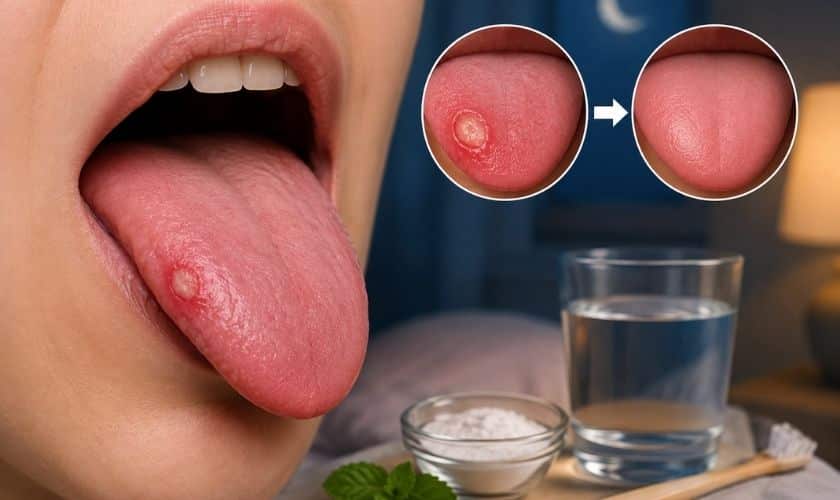
Tongue ulcers, often called canker sores, are small but incredibly painful sores that can make eating, talking, and even smiling uncomfortable. They usually appear as round, white or yellow lesions surrounded by a red, inflamed border. While most tongue ulcers heal on their own within a week or two, the pain they cause can feel unbearable in the moment. The good news is that with the right approach, you can significantly reduce discomfort and speed up healing, sometimes noticing real improvement in as little as one night.
What Causes Tongue Ulcers?
Before jumping into remedies, it helps to understand what triggers these sores. Common causes include accidentally biting your tongue, eating acidic or spicy foods, stress, hormonal changes, vitamin deficiencies (especially B12, folate, and iron), a weakened immune system, or irritation from braces and other dental appliances. In some cases, tongue ulcers may also signal an underlying digestive or autoimmune condition, especially if they recur frequently.
Fast, At-Home Remedies for Overnight Relief
1. Rinse with Warm Salt Water
A warm salt water rinse is one of the oldest and most effective home remedies. Salt water helps reduce inflammation, draws out excess fluid from the sore, and creates an environment that’s less hospitable to bacteria. Swishing gently for 30 seconds, two to three times before bed, can noticeably calm irritation by morning.
2. Apply Honey
Honey has natural antibacterial and anti-inflammatory properties. Dabbing a small amount of raw honey directly onto the ulcer before sleeping can soothe pain and support faster tissue repair overnight.
3. Use a Baking Soda Paste
Baking soda helps neutralize acids in the mouth that can further irritate the ulcer. Mix a small amount with water to form a paste, apply it directly to the sore, and leave it for a few minutes before rinsing.
4. Try Coconut Oil
Coconut oil contains lauric acid, which has antimicrobial properties. Applying a thin layer to the ulcer can create a protective barrier, reducing pain from friction against teeth or food.
5. Avoid Trigger Foods
Spicy, acidic, salty, or crunchy foods can aggravate an existing ulcer and slow healing. Sticking to soft, bland foods for a day or two gives the tissue a chance to recover without added stress.
6. Use an Over-the-Counter Numbing Gel
Topical gels containing benzocaine can provide temporary numbing relief, especially helpful before bed so pain doesn’t interrupt your sleep.
7. Stay Hydrated and Manage Stress
Dehydration and stress are both linked to canker sore flare-ups. Drinking enough water and practicing relaxation techniques can support your body’s natural healing process.
When Overnight Remedies Aren’t Enough
While these tips can dramatically ease discomfort, not every tongue ulcer responds the same way. If a sore lasts longer than two weeks, is unusually large, keeps recurring, or is accompanied by fever or difficulty swallowing, it’s important to have it evaluated by a professional rather than relying solely on home care. Persistent or severe ulcers can sometimes point to nutritional deficiencies, oral infections, or other health concerns that need proper diagnosis.
At Kierland Dental Arts, our team understands how disruptive mouth pain can be to your daily routine. We take the time to look closely at the root cause of recurring tongue ulcers and other oral discomforts, rather than just treating the symptom. Whether it’s identifying an ill-fitting dental appliance, spotting signs of vitamin deficiency, or ruling out more serious conditions, a professional evaluation ensures you’re not just masking a problem but actually resolving it.
Prevention Tips for the Future
Once your current ulcer has healed, a few simple habits can help prevent future flare-ups: use a soft-bristled toothbrush to avoid accidental irritation, maintain a balanced diet rich in vitamins and minerals, manage stress levels, and stay on top of routine dental checkups so any oral appliance issues are caught early.
Final Thoughts
Tongue ulcers are uncomfortable, but they don’t have to control your day or night. Warm salt water rinses, honey, baking soda paste, and avoiding irritating foods can bring noticeable relief by morning. However, if ulcers keep coming back or seem unusually severe, it’s worth getting a professional opinion to rule out deeper issues.
If your mouth pain isn’t improving or you’d like a thorough oral health check-up, don’t hesitate to Contact Us. Our friendly team is ready to answer your questions and guide you toward lasting relief.
For personalized care and a closer look at your oral health, feel free to visit our dental clinic. We’re conveniently here to help you get back to eating, talking, and smiling without pain.
Frequently Asked Questions
1. Are tongue ulcers contagious?
No, tongue ulcers like canker sores are not contagious. They’re different from cold sores, which are caused by a virus and can spread through contact.
2. How long do tongue ulcers usually last?
Most tongue ulcers heal naturally within seven to fourteen days. Larger or more severe sores may take longer and could benefit from professional evaluation if they persist.
3. Can stress really cause tongue ulcers?
Yes, stress is a well-known trigger. It can weaken the immune system and increase inflammation, making the mouth more prone to developing painful sores.
4. Is it safe to use honey on an open mouth sore?
Raw honey is generally safe and has natural antibacterial properties. However, people with honey allergies should avoid this remedy and try alternative methods instead.
5. What vitamin deficiency causes tongue ulcers?
Deficiencies in B12, folate, iron, and zinc are commonly linked to recurring tongue ulcers. A balanced diet can help reduce the frequency of these sores.
6. Should I see someone if ulcers keep coming back?
Yes, frequently recurring ulcers may indicate an underlying issue like nutritional deficiency or immune imbalance, so a professional evaluation is recommended.
7. Can braces or dental appliances cause tongue ulcers?
Yes, ill-fitting braces, retainers, or dentures can rub against the tongue and cheeks, causing repeated irritation and ulcer formation over time.