
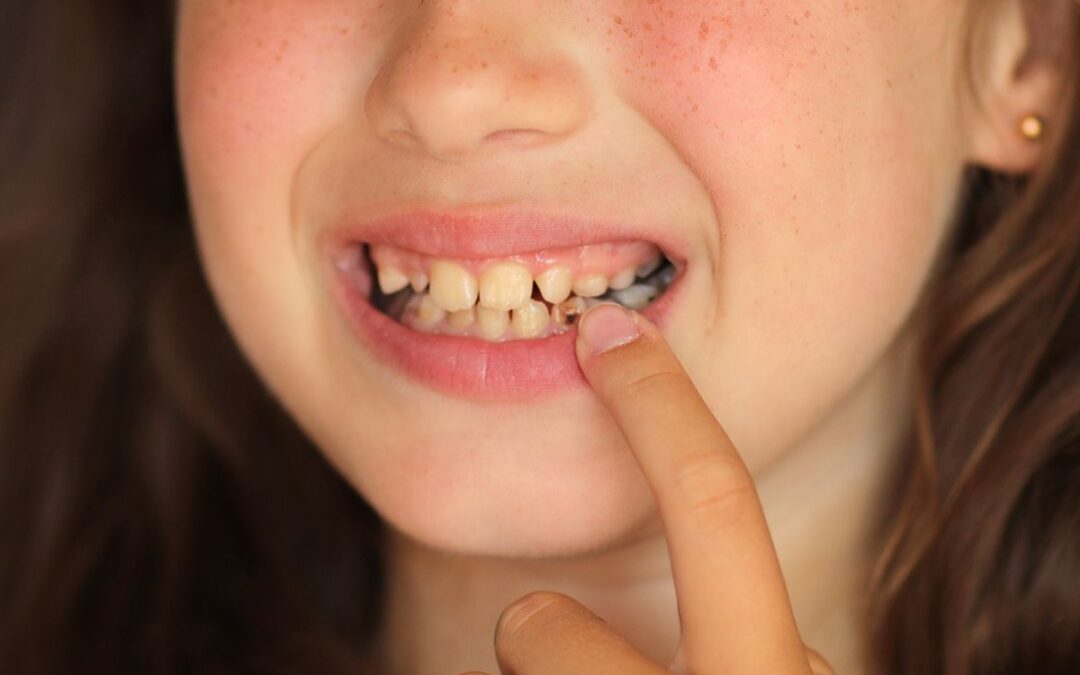
In Scottsdale, busy family routines often mean school drop-offs, sports practices, weekend outings, and packed schedules, which can make small dental habits easy to overlook. But when it comes to children’s oral health, even minor issues like plaque buildup or skipped brushing can turn into early tooth decay faster than many parents expect.
Frequent snacking, sugary drinks, juice boxes during outdoor activities, and dehydration, which reduces saliva flow, may all increase the risk of cavities in growing teeth. Since children’s enamel is thinner and softer than adult teeth, decay can begin quietly before pain or visible damage appears.
Understanding early warning signs and building healthy routines at home can help prevent more serious dental issues later. The good news is that early tooth decay is highly preventable. With the right home care, healthy food choices, and routine dental visits, parents can help protect growing smiles and reduce future dental problems.
What Causes Early Tooth Decay in Kids?
Tooth decay develops when harmful bacteria in the mouth feed on leftover sugars and carbohydrates from food and drinks. These bacteria create acids that slowly wear down tooth enamel. Over time, repeated acid attacks weaken the teeth, causing soft spots, cavities, and eventually more serious dental damage.
Building strong kids’ dental care habits early can help reduce long-term risks.
Some common causes include:
- Frequent sugary snacks like gummies, candy, cookies, and sweet cereals
- Sticky foods that stay on teeth longer, such as dried fruit or chewy snacks
- Juice, sports drinks, flavored milk, and soda throughout the day
- Going to bed after drinking milk or juice without brushing
- Poor brushing routines, especially before bedtime
- Skipping flossing when teeth begin touching
- Dry mouth caused by dehydration or mouth breathing
- Frequent grazing or snacking without giving teeth time to recover
Building strong oral hygiene habits early can help protect children from long-term dental issues.
Why Parents Often Miss the Early Signs of Tooth Decay
One of the biggest challenges with early tooth decay is that it often starts without obvious pain or discomfort. Many children may continue eating, talking, and playing normally while decay quietly progresses beneath the enamel.
Since symptoms are subtle, parents may not notice a problem until the cavity becomes larger.
Watch for early warning signs such as:
- White chalky spots near the gumline (an early sign of enamel weakening)
- Yellow, brown, or dark discoloration on teeth
- Sensitivity to cold, hot, or sweet foods
- Bad breath that continues even after brushing
- Mild tooth sensitivity while chewing
- Swollen or irritated gums around affected teeth
- Avoiding crunchy foods or chewing on one side
- Complaints of “funny feeling” teeth
Early detection can often mean simpler, less invasive treatment.
Why Baby Teeth Matter More Than Many Parents Think
Some parents assume baby teeth do not require much attention because they eventually fall out. In reality, baby teeth play a major role in a child’s oral development and overall health.
Healthy baby teeth help children:
- Chew food properly for healthy digestion
- Speak clearly and develop proper pronunciation
- Guide adult teeth into their correct position
- Support healthy jaw growth and alignment
- Prevent crowding and spacing issues later
- Reduce discomfort and infections
- Build confidence when smiling, laughing, and speaking
Ignoring decay in baby teeth can create bigger oral health concerns later.
Everyday Habits That Help Protect Young Teeth
Healthy smiles often come from simple daily consistency. Brushing twice a day with fluoride toothpaste, flossing when needed, reducing sugary snacks, and encouraging water after meals can all help. Keeping water available during outdoor play or sports can also support hydration and healthy saliva flow.
Helpful daily habits include:
• Brush morning and night
• Drink more water instead of sweet drinks
• Limit frequent snacking
• Clean teeth before bedtime
• Visit the dentist regularly
Common Daily Habits That Increase Cavity Risk
Sometimes, tooth decay is not caused by poor brushing alone. Everyday routines can quietly increase cavity risk. Diet plays a bigger role than many parents expect. Sticky snacks, crackers, candy, sweet cereals, and juice can remain on teeth and feed bacteria. Constant snacking also increases acid exposure.
Balanced meals with dairy, fruits, vegetables, protein, and water support stronger enamel and better oral health.
In Scottsdale’s warm and dry climate, dehydration can also reduce saliva flow. Saliva naturally helps wash away bacteria and protect enamel, making hydration especially important.
Healthy Habits That Help Prevent Tooth Decay
Protecting children’s teeth often comes down to consistency. Small daily habits can significantly lower the risk of cavities.
Healthy dental habits include:
- Brushing twice daily using fluoride toothpaste
- Supervising younger children while brushing
- Flossing when teeth begin touching
- Drinking water after meals and snacks
- Limiting sugary snacks between meals
- Choosing healthier snack options
- Cleaning teeth before bedtime every night
- Replacing toothbrushes regularly
- Scheduling routine dental exams and cleanings
Even simple routines like rinsing with water after snacks can reduce acid buildup.
Treatment Options for Early Tooth Decay in Kids
When decay is identified early, treatment is often simpler and designed to preserve healthy natural teeth.
Depending on the severity, a dentist may recommend:
Fluoride Treatments
Fluoride can strengthen weak enamel and sometimes help reverse very early damage.
Dental Sealants
Protective coatings may be applied to molars to prevent bacteria and food particles from settling into deep grooves.
Professional Dental Cleanings
Cleanings remove plaque buildup that brushing may miss.
Tooth-Colored Fillings
Small cavities may be treated with fillings to restore strength and prevent spreading.
Monitoring Weak Enamel
Early soft spots may simply need observation and improved home care.
Advanced Pediatric Treatment
If decay progresses, more involved restorative care may be needed.
Routine dental visits help catch concerns before they become painful or expensive.
When Should Parents Schedule a Dental Visit?
Parents should not wait until a child complains of pain.
A dental visit is recommended if your child has:
- Tooth discoloration
- Sensitivity to cold or sweets
- Persistent bad breath
- Swollen gums
- Visible holes or dark spots
- Pain while chewing
- Broken or chipped enamel
- Changes in eating habits due to discomfort
Early intervention can protect both baby teeth and permanent teeth.
Protect Growing Smiles in Scottsdale
If your child is showing early signs of tooth decay or you want to stay ahead of preventable dental issues, timely care can make all the difference. At Kierland Dental Arts, we help Scottsdale families protect children’s smiles through preventive dentistry, personalized guidance, and compassionate care designed for every stage of growth.
Whether your child needs an exam, cavity prevention, or early treatment support, our dental team is here to help keep young smiles healthy and strong. Visit us today at our dental office in Scottsdale and let us help secure your child’s smile.
FAQs About Kids’ Early Tooth Decay
1. Can toddlers get cavities?
Yes, toddlers can develop cavities soon after their baby teeth begin to appear. Tooth decay often occurs when sugary drinks, frequent snacking, or poor brushing habits allow bacteria to accumulate on the teeth. Because baby teeth have thinner enamel than adult teeth, they are more vulnerable to decay. Early dental care and healthy oral hygiene routines can help reduce the risk.
2. Is tooth decay always painful?
No, tooth decay does not always cause pain in its early stages. Cavities often begin silently and may show only subtle signs, such as white spots, discoloration, or mild sensitivity. Many children may not complain until the decay has progressed deeper into the tooth. Regular dental checkups can help identify problems before discomfort begins.
3. Should baby teeth always be treated?
Yes, baby teeth should be treated when decay or damage is present. They play an important role in chewing, speech development, jaw growth, and the guidance of permanent teeth into place. Ignoring cavities in baby teeth can lead to infection, pain, and spacing issues later. Early treatment helps protect both current and future oral health.
4. Can early treatment prevent larger dental issues?
Yes, treating tooth decay early can help prevent more serious dental problems later. Early intervention may stop cavities from spreading deeper into the tooth and reduce the need for more complex treatments. It can also help prevent pain, infections, and premature tooth loss. Addressing small issues early often supports healthier long-term oral development.
5. What are the first signs of tooth decay in children?
The earliest signs of tooth decay may include white chalky spots, yellow or brown discoloration, sensitivity to cold foods, or mild discomfort while chewing. Some children may also experience bad breath or avoid brushing because of tooth sensitivity. Since early decay can develop without pain, parents may not notice a problem right away. Regular dental checkups can help detect these signs early.
6. Can cavities spread from one tooth to another?
Cavities themselves do not directly “spread,” but the bacteria that cause tooth decay can affect nearby teeth if oral hygiene is poor. When plaque buildup remains untreated, multiple teeth may become vulnerable over time. Early treatment and good cleaning habits can reduce this risk. Regular dental exams help prevent widespread decay.
7. Why do some children get cavities even if they brush daily?
Brushing is essential, but it is only one part of cavity prevention. Diet, frequent snacking, genetics, fluoride exposure, hydration, and brushing technique also play important roles. Some children may brush regularly but still miss plaque between teeth or consume high-sugar foods often. Dental checkups can help identify hidden risk factors.