
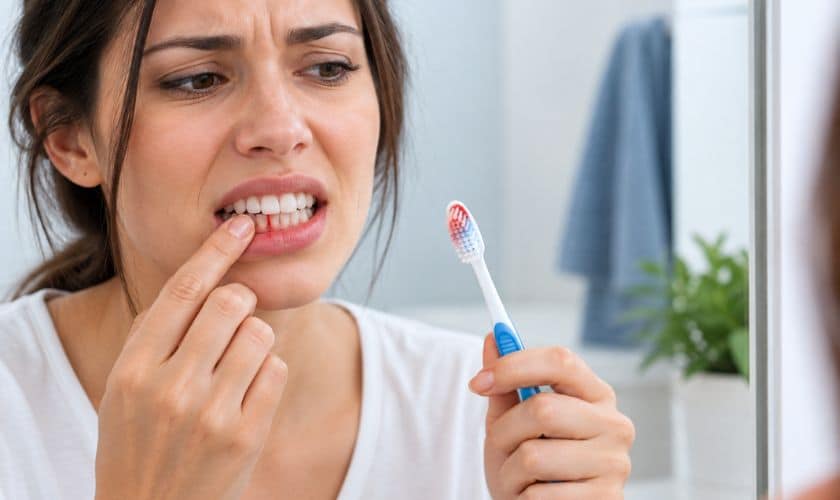
Sudden bleeding from the mouth after an accident, fall, or sports injury can be alarming. Even a seemingly small injury may affect the gums, lips, tongue, cheeks, or teeth. While minor cuts may improve with basic first aid, persistent bleeding or significant oral trauma requires immediate professional attention. Knowing how to respond can help reduce complications and protect your oral health.
Common Causes of Bleeding After a Mouth Injury
Oral bleeding can happen for several reasons following an accident or physical impact, including:
- Cuts to the lips or tongue: Accidental bites, falls, or direct impacts can cause soft tissue injuries that bleed noticeably.
- Damaged gums: A blow to the mouth can tear gum tissue or cause bleeding around the teeth.
- Broken or displaced teeth: A fractured or loosened tooth may injure surrounding tissues and cause bleeding.
- Knocked-out teeth: Losing a permanent tooth can leave an open socket that bleeds.
- Facial trauma: More serious injuries may affect the jaw, surrounding tissues, and blood vessels.
Identifying the source of bleeding is important, but a professional examination may be necessary to determine the full extent of the damage.
What to Do When Sudden Dental Bleeding Occurs
Taking appropriate first-aid steps can help control bleeding while you arrange professional care.
- 1. Apply gentle, consistent pressure: Place clean, damp gauze or a clean cloth over the bleeding area. Maintain steady pressure without repeatedly lifting it to check the wound.
- 2. Rinse gently: If the injury allows, gently rinse your mouth with clean water to remove visible blood and debris. Avoid vigorous rinsing because it may disturb the injured area.
- 3. Use a cold compress: Apply a cold pack wrapped in a towel to the outside of your cheek or lip. This may help reduce swelling and discomfort.
- 4. Avoid disturbing the injury: Do not touch the wound unnecessarily, scrub injured tissues, or attempt to reposition a damaged tooth forcefully.
- 5. Seek professional evaluation: Arrange urgent dental care for persistent bleeding, loose teeth, fractures, or injuries involving the gums and surrounding tissues.
When Is Bleeding a Dental Emergency?
Not every mouth injury requires hospital treatment, but certain symptoms should never be ignored. Seek immediate medical attention if bleeding is severe or uncontrolled, the injury involves significant facial trauma, or you suspect a broken jaw.
Call 911 or visit the nearest emergency department if you experience difficulty breathing or swallowing, loss of consciousness, serious head trauma, or continuous heavy bleeding. Medical evaluation should take priority over routine dental treatment in these situations.
For less severe injuries, an emergency dentist in Scottsdale can assess the affected teeth and soft tissues, identify hidden damage, and recommend appropriate treatment.
What to Expect During Emergency Dental Treatment
An emergency examination typically begins with reviewing how the injury occurred and identifying the source of bleeding. The affected area is then evaluated for cuts, damaged teeth, gum injuries, and possible complications.
Depending on the findings, treatment may involve cleaning the injured area, controlling bleeding, repairing damaged tissues, stabilizing a loose tooth, or recommending additional medical care. Dental imaging may also be necessary to assess damage that is not visible during a routine examination.
At Kierland Dental Arts, timely attention to dental injuries can help patients understand their treatment options and the next steps toward recovery.
Protecting Your Oral Health After an Injury
Follow the recommended aftercare instructions and avoid hard, crunchy, or irritating foods while the injured area heals. Maintain gentle oral hygiene and monitor the area for increasing swelling, pain, redness, or unusual discharge.
If you experience unexpected bleeding following an accident, contact us to discuss your symptoms and arrange an appropriate evaluation. Prompt attention can help identify problems before they become more complicated.
Taking precautions such as wearing a properly fitted mouthguard during sports and using protective equipment during physical activities can also reduce the risk of future oral injuries.
Your oral health deserves prompt attention after an accident. Do not ignore unexplained or persistent bleeding. Arrange an evaluation and visit our dental office when professional dental care is needed.
Frequently Asked Questions
1. Why do my gums bleed after an injury?
A direct impact can damage delicate gum tissues or loosen a tooth, causing bleeding. The severity depends on the injury, and persistent bleeding should be professionally evaluated.
2. How long should bleeding continue after a mouth injury?
Minor bleeding may stop with consistent pressure. If bleeding continues after approximately 10–15 minutes of firm pressure, seek urgent medical or dental evaluation.
3. Should I rinse my mouth after a dental injury?
Gentle rinsing with clean water may help remove blood and debris. Avoid vigorous rinsing because it can disturb the injured tissues and potentially worsen bleeding.
4. Can a broken tooth cause bleeding?
Yes. A fracture may expose sensitive inner tooth structures or damage nearby gum tissues. Prompt examination helps determine the extent of the injury and appropriate treatment.
5. When should I visit an emergency department?
Seek emergency medical care for uncontrolled bleeding, breathing or swallowing difficulties, suspected jaw fractures, serious facial injuries, or loss of consciousness.
6. Can a knocked-out permanent tooth be saved?
Sometimes. Handle it by the crown, avoid touching the root, and keep it moist in milk or a suitable tooth-preservation solution. Seek immediate professional care.
7. Is swelling normal after a mouth injury?
Mild swelling can occur after soft tissue trauma. However, increasing swelling, severe pain, fever, or difficulty swallowing may indicate a serious problem requiring urgent assessment.