
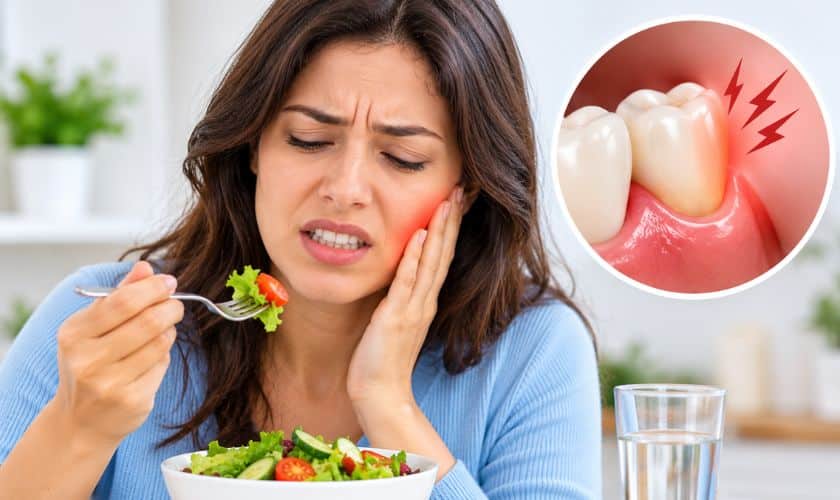
Have you ever experienced a sharp sensation or discomfort in your teeth while eating your favorite foods? Tooth pain during meals can make everyday activities uncomfortable, especially when chewing crunchy, sweet, hot, or cold foods. This discomfort may occur occasionally or indicate an underlying dental problem that needs attention.
Understanding why your teeth hurt when you eat is the first step toward finding the right solution. Several conditions, including tooth decay, enamel erosion, gum recession, and cracked teeth, can contribute to eating-related sensitivity. Residents of Scottsdale should understand these possible causes to recognize when professional dental care may be necessary.
Common Reasons Your Teeth Hurt When You Eat
Tooth pain during eating can develop for different reasons. Identifying the underlying cause helps determine the most appropriate treatment.
1. Tooth Decay and Cavities
Cavities develop when bacteria in dental plaque produce acids that gradually damage tooth enamel. As decay progresses, it can expose the sensitive inner layers of a tooth. You may experience discomfort when eating sugary foods, chewing, or drinking something cold.
Early diagnosis helps prevent cavities from becoming more extensive and potentially requiring restorative treatment.
2. Enamel Erosion
Tooth enamel protects the inner structures of your teeth from temperature changes, pressure, and bacteria. Frequent consumption of acidic foods and beverages, acid reflux, and aggressive brushing can gradually wear it down.
When enamel becomes thinner, teeth may become more sensitive to hot, cold, sweet, and acidic foods.
3. Cracked or Damaged Teeth
Small cracks in teeth are not always visible, but they can cause noticeable discomfort when biting or chewing. Pain may occur when you apply pressure to the affected tooth or release your bite.
Cracks can develop from chewing hard foods, teeth grinding, injuries, or weakened dental structures. A dental examination can help determine the extent of the damage.
4. Gum Recession
When gum tissue pulls away from the teeth, the roots may become exposed. Unlike the enamel-covered crown, tooth roots have a softer surface that can respond strongly to temperature changes and certain foods.
Gum recession may result from gum disease, aggressive brushing, or other factors.
5. Dental Abscess or Infection
A dental infection can cause persistent pain, pressure, and sensitivity while eating. Other symptoms may include swollen gums, facial swelling, a bad taste in the mouth, or fever.
An untreated dental abscess requires prompt professional attention because the infection can spread to surrounding tissues.
How Can You Reduce Tooth Pain While Eating?
The right approach depends on what is causing your discomfort. However, a few everyday habits may help reduce sensitivity:
- Choose softer foods: Temporarily avoid hard, crunchy, or sticky foods that increase pressure on sensitive teeth.
- Use desensitizing toothpaste: Products designed for sensitive teeth may help reduce discomfort with consistent use.
- Avoid acidic foods: Limit citrus fruits, carbonated drinks, and other acidic items that may contribute to enamel erosion.
- Maintain gentle brushing habits: Use a soft-bristled toothbrush and fluoride toothpaste to protect your enamel.
- Avoid extreme temperatures: Choose foods and beverages that are not excessively hot or cold if they trigger sensitivity.
These measures may provide temporary relief but cannot replace professional evaluation when pain continues.
When Should You Seek Professional Dental Care?
Occasional sensitivity may not indicate a serious problem, but recurring or worsening discomfort should not be ignored. Schedule an examination if you experience persistent pain, discomfort when biting, visible tooth damage, or sensitivity that does not improve.
Seek urgent dental attention if you notice facial swelling, fever, or severe tooth pain. Difficulty breathing or swallowing with facial or neck swelling requires emergency medical care.
For individuals experiencing ongoing tooth discomfort in Scottsdale, Kierland Dental Arts provides an opportunity to discuss symptoms and explore appropriate treatment options. Early evaluation can help identify problems before they become more complicated.
How Can You Prevent Tooth Pain When Eating?
Consistent oral hygiene plays an important role in preventing many causes of tooth sensitivity. Brush twice daily with fluoride toothpaste, floss regularly, limit sugary snacks, and maintain a balanced diet.
Regular dental checkups can also help identify early signs of cavities, gum problems, and enamel damage. Avoid using your teeth to open packages or bite hard objects, as these habits can cause cracks or chips.
If tooth discomfort is affecting your meals, contact us to discuss your symptoms and possible next steps. Taking action early can help protect your oral health and make eating more comfortable.
Frequently Asked Questions
1. Why do my teeth hurt when I eat something sweet?
Sweet foods can trigger discomfort when cavities, exposed dentin, or weakened enamel are present. The sensitivity may indicate an underlying dental issue that requires professional evaluation.
2. Why do my teeth hurt when I chew food?
Pain while chewing may result from cavities, cracked teeth, damaged fillings, or inflammation around the tooth. The location and intensity of discomfort can help identify its possible cause.
3. Can sensitive teeth cause pain while eating?
Yes. Sensitive teeth can react to hot, cold, sweet, and acidic foods. Enamel erosion and gum recession are common reasons for increased sensitivity during meals.
4. Why do my teeth hurt when I eat cold foods?
Cold foods can stimulate exposed dentin or irritated tooth nerves, causing sharp discomfort. Cavities, worn enamel, and receding gums may contribute to this reaction.
5. Can a cavity make my tooth hurt only when eating?
Yes. Early cavities may cause little discomfort, while deeper decay can produce pain when chewing or eating sweet and cold foods as the inner tooth becomes affected.
6. How can I stop my teeth from hurting when I eat?
Using desensitizing toothpaste, maintaining gentle brushing habits, and avoiding trigger foods may help. Persistent pain needs evaluation to identify and address its underlying cause.
7. When is tooth pain while eating a dental emergency?
Severe or persistent pain, facial swelling, fever, or signs of infection require urgent attention. Difficulty breathing or swallowing alongside swelling requires immediate emergency medical care.