
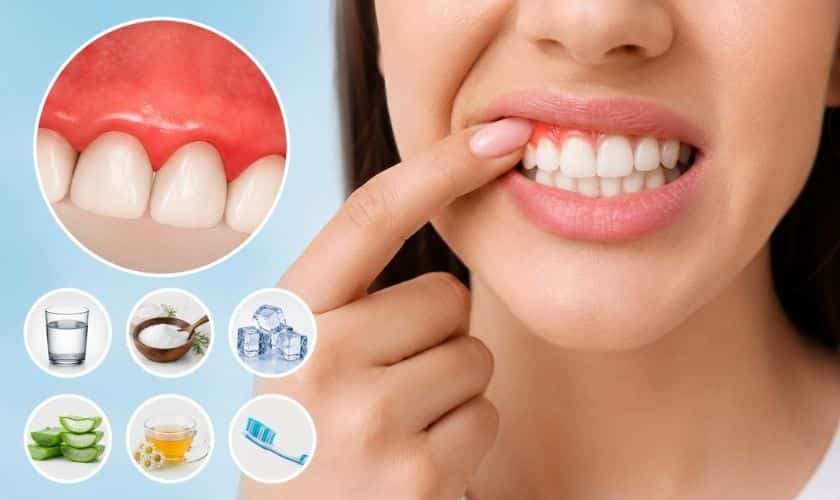
Swollen gums are one of the most common dental complaints people experience, yet they are often ignored until the discomfort becomes hard to overlook. Puffy, red, or tender gums can be a sign of something minor, like a piece of food stuck below the gumline, or they can point to a more serious issue such as gingivitis or periodontal disease. Understanding why your gums are swelling and what you can do about it is the first step toward a healthier, more comfortable smile.
What Causes Gum Swelling?
Gum swelling can happen for several reasons, and identifying the root cause makes treatment far more effective. The most frequent culprit is plaque buildup along the gumline. When plaque isn’t removed through regular brushing and flossing, it hardens into tartar, which irritates the gum tissue and leads to inflammation.
Other common causes include:
- Gingivitis – an early stage of gum disease caused by bacterial buildup
- Hormonal changes – pregnancy, puberty, and menstruation can make gums more sensitive
- Vitamin deficiencies – particularly a lack of vitamin C or B
- Ill-fitting dental appliances – dentures or braces that rub against the gums
- Infections – including viral, fungal, or bacterial infections in the mouth
- Certain medications – some prescriptions list gum swelling as a side effect
Because the causes vary so widely, persistent swelling should never be dismissed as “just a phase.”
Simple Home Remedies to Reduce Swelling
For mild cases, a few consistent habits at home can bring noticeable relief:
- Rinse with warm salt water. Mixing half a teaspoon of salt into warm water and swishing it around your mouth several times a day can reduce bacteria and calm inflammation.
- Brush gently, but thoroughly. Use a soft-bristled toothbrush and gentle, circular motions to avoid further irritating tender gums while still removing plaque.
- Floss daily. Many people skip flossing when their gums are swollen out of fear of pain, but gentle flossing actually helps clear the debris that’s contributing to the inflammation.
- Apply a cold compress. Holding a cold compress against the outside of your cheek for 10–15 minutes can help numb discomfort and reduce puffiness.
- Stay hydrated and eat gum-friendly foods. Crunchy fruits and vegetables, along with plenty of water, support saliva production, which naturally helps clean the mouth.
- Consider an anti-inflammatory mouthwash. An alcohol-free mouthwash designed for sensitive gums can soothe irritation without drying out oral tissue.
- While these remedies can offer short-term comfort, they are not substitutes for professional care, especially if swelling persists for more than a week.
Professional Treatment Options
When home care isn’t enough, a dental professional can identify the underlying cause and provide targeted treatment. At Kierland Dental Arts, a thorough evaluation typically includes checking for tartar buildup, gum pockets, and any signs of infection. Depending on the diagnosis, treatment may involve a deep cleaning (scaling and root planing), adjustment of an ill-fitting appliance, or addressing an underlying medical condition.
In some cases, swollen gums are an early warning sign of periodontal disease, which, left untreated, can lead to gum recession or tooth loss. Catching these issues early through routine checkups makes treatment simpler and less invasive. If you’ve noticed ongoing puffiness, bleeding when you brush, or a change in how your gums look, it’s a good idea to visit our dental clinic for a professional assessment rather than waiting for symptoms to worsen.
Preventing Gum Swelling in the Future
Prevention is always easier than treatment. A consistent oral hygiene routine, brushing twice daily, flossing once a day, and using an antibacterial mouthwash, forms the foundation of healthy gums. Routine dental cleanings every six months remove tartar that a toothbrush simply can’t reach, and they allow your dentist to catch early warning signs before they become bigger problems.
Lifestyle factors matter too. Limiting sugary snacks, avoiding tobacco products, and eating a balanced diet rich in vitamins C and D all contribute to stronger, less reactive gum tissue. Managing stress and staying on top of any chronic health conditions, such as diabetes, can also reduce your risk of gum inflammation.
Final Thoughts
Gum swelling is common, but it’s not something to brush off. Whether it’s caused by plaque buildup, a vitamin deficiency, or an underlying dental condition, addressing it early prevents more serious complications down the road. Simple home care can help with mild irritation, but ongoing or worsening symptoms deserve a professional look. If your gums have been swollen, tender, or bleeding for more than a few days, don’t wait. Contact us to schedule an evaluation and get your oral health back on track.
Frequently Asked Questions
1. Is swollen gums always a sign of gum disease?
Not always. Swelling can result from minor irritation, hormonal changes, or vitamin deficiencies. However, persistent puffiness combined with bleeding often signals early gum disease and should be monitored closely.
2. How long does it take for gum swelling to go away?
Mild swelling from irritation often improves within a few days with proper hygiene. If it lasts longer than a week or worsens, it may indicate an infection or gum disease needing evaluation.
3. Can brushing too hard cause swollen gums?
Yes. Aggressive brushing or using a hard-bristled toothbrush can damage gum tissue, leading to irritation and swelling. Switching to a soft-bristled brush and gentler technique usually helps resolve this.
4. Are swollen gums painful?
Swollen gums can range from mildly uncomfortable to quite painful, depending on the cause. Tenderness, sensitivity to temperature, and discomfort while chewing are common accompanying symptoms.
5. Can stress cause gum swelling?
Yes, chronic stress can weaken the immune system, making gums more vulnerable to bacteria and inflammation. Managing stress alongside good oral hygiene can help reduce flare-ups.
6. Is it normal for gums to bleed along with swelling?
Occasional light bleeding during brushing can happen with mild inflammation, but frequent or heavy bleeding paired with swelling often points to gingivitis or more advanced gum disease.
7. Can children experience swollen gums too?
Yes, children can develop swollen gums due to teething, poor brushing habits, or minor infections. Monitoring their oral hygiene and diet helps prevent recurring irritation.