
Tooth replacement is a personal decision that goes beyond appearance. It affects your confidence, your comfort, and how you go about your daily routine. Dentures and dental implants are two of the most common options, and each offers unique benefits.
Understanding the differences can help you choose what works best for your needs. From how they feel to how long they last, every detail matters. This guide breaks things down in simple terms, helping you compare your options without confusion.
Let’s take a closer look at how dentures and dental implants compare.
What Are Dental Implants?
Dental implants are a permanent and highly effective solution for replacing missing teeth. They are designed to function just like natural teeth, both in appearance and performance.
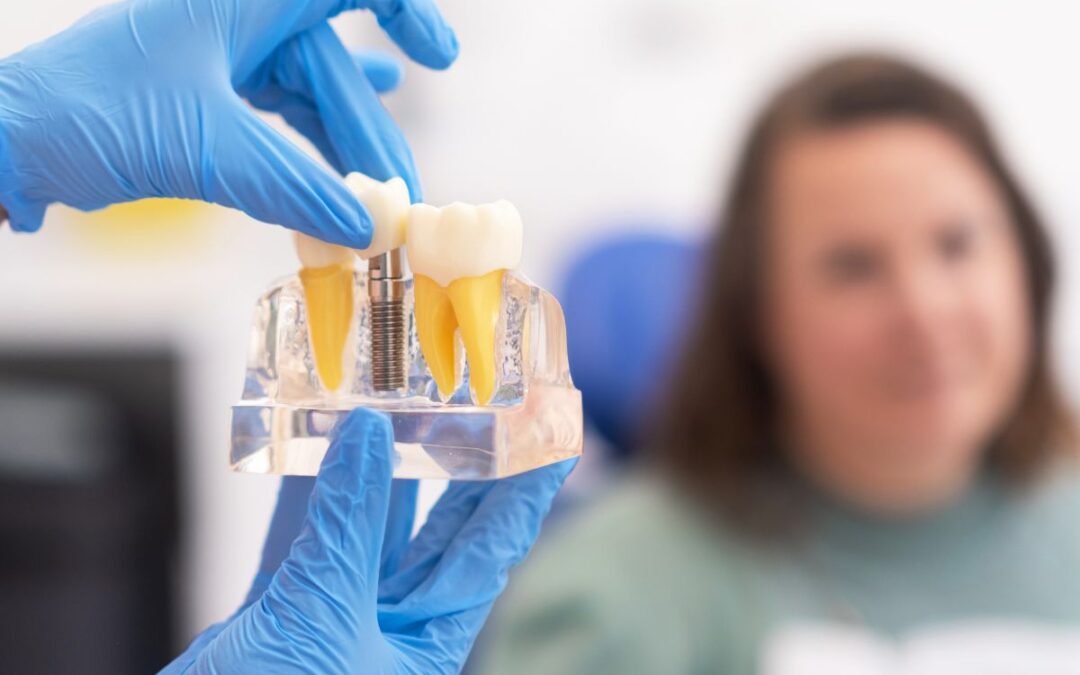
The process involves placing a small titanium post into the jawbone, which acts as an artificial tooth root. Once healed, a custom crown is attached, completing the restoration.
How the Dental Implant Process Works
- Consultation: Your dentist evaluates your oral health and jawbone density
- Placement: A titanium post is surgically inserted into the jawbone
- Healing (Osseointegration): The implant fuses with the bone over a few months
- Restoration: A custom-made crown is placed for a natural look and full function
This integration with the bone is what gives implants their strength, stability, and long-term success.
What Are Dentures?
Dentures are removable dental appliances used to replace missing teeth. They are typically made from acrylic, sometimes combined with a metal framework, and are designed to resemble natural teeth and gums.
Types of Dentures
- Full Dentures: Replace all teeth in the upper or lower jaw
- Partial Dentures: Fill gaps when some natural teeth remain
Dentures are a non-surgical option, making them appealing for patients looking for a quicker and more affordable solution.
Durability: Which Option Lasts Longer?
When it comes to longevity, implanted teeth generally outperform dental plates. They are made to last for decades, even a lifetime, with proper care and maintenance. Studies show that dental implants have a 95% success rate after 10 years. The durability of artificial tooth roots comes from their ability to fuse with the jawbone, offering unmatched stability.
In contrast, dentures need to be replaced or adjusted every 5 to 7 years. They can become loose over time as the jawbone shrinks, which happens naturally when teeth are missing.
Comfort and Fit: Which Feels More Natural?
Comfort is a major factor when choosing a tooth replacement option.
Dental Implants
- Securely anchored in the jawbone
- No slipping or movement
- Feel and function like natural teeth
- No gum irritation from friction
Dentures
- Rest on the gums and may shift during use
- Can cause sore spots or irritation over time
- May require adhesives for stability
If you’re looking for a solution that feels closest to natural teeth, implants are often the preferred choice.
Aesthetic Results: Which Option Looks More Natural?
Both dental restorative solutions for missing teeth are made to enhance your smile, but artificial tooth roots are considered the most natural-looking option.
The crowns placed on the dental post are custom-designed. This is to match the color, size, and shape of your natural teeth, blending seamlessly with your smile. Since they integrate with the jawbone, they also help maintain your facial shape, preventing sagging or changes caused by bone loss from missing teeth.
Dentures, while custom-made, may not fit as snugly or naturally as fixed dental prosthetics. Over time, they may contribute to bone loss, which can cause facial sagging and changes in appearance. Regular adjustments are needed to maintain a natural look and feel.
Maintenance: What’s Easier to Care For?
Dental implants are designed to function just like natural teeth, making them easy to care for with regular brushing and flossing. They don’t need to be removed, and routine dental checkups are usually all that’s required to keep them in great condition.
Dentures, on the other hand, require more daily attention. They must be removed for cleaning, soaked to maintain their shape, and handled with special care. Over time, they also need adjustments to ensure a proper fit as your gums change.
Overall, dental implants offer a more convenient and low-maintenance solution in the long run.
How to Choose the Right Option
The best choice depends on your individual needs, including:
- Overall health and medical history
- Jawbone density and oral condition
- Budget and long-term goals
- Lifestyle preferences
- Willingness to undergo surgery
A personalized consultation is the best way to determine which option suits you.
Ready to Restore Your Missing Teeth in Scottsdale?
At Kierland Dental Arts, we help you choose the best option, whether durable dental implants or well-fitted dentures. Our experienced dental team listens to your goals, reviews your oral health, and creates a plan just for you. Don’t let missing teeth hold you back.
Contact our Scottsdale dental office today and take the first step toward a confident, fully functional smile.
FAQs About Dental Implants vs. Dentures
1. Are dental implants painful?
Most patients report minimal discomfort during implant placement. Your dentist uses local anesthesia to keep you comfortable. After the procedure, mild soreness may occur for a few days. Over-the-counter pain relief and proper care usually manage symptoms well.
2. How long do dental implants last?
With good oral hygiene and regular dental visits, implants can last 20 years or longer. Many patients keep them for a lifetime. The crown may need to be replaced over time, but the implant post often remains stable.
3. Do dentures look natural?
Modern dentures look more natural than older versions. Dentists customize them to match your facial features and smile. However, they may not feel as natural as implants because they rest on the gums instead of anchoring into the bone.
4. How do I clean dental implants?
You care for implants just as you do natural teeth. Brush twice daily, floss regularly, and visit your dentist for cleanings. Good hygiene helps protect the surrounding gums and prolongs your implant’s lifespan.
5. Can I switch from dentures to implants later?
Yes, many patients start with dentures and later choose implants. Your dentist will evaluate your bone health and determine if implant placement remains possible. In some cases, bone grafting may help prepare the area.
6. Which option costs more?
Dental implants usually cost more upfront because they involve surgery and custom restorations. Dentures often have a lower initial cost. However, implants may save money in the long term because they last longer and require fewer replacements.
7. Who is a good candidate for dental implants?
Healthy adults with strong gums and adequate jawbone often qualify for implants. Non-smokers typically heal faster. A dental exam and imaging help determine whether implants are suitable for your specific situation.