
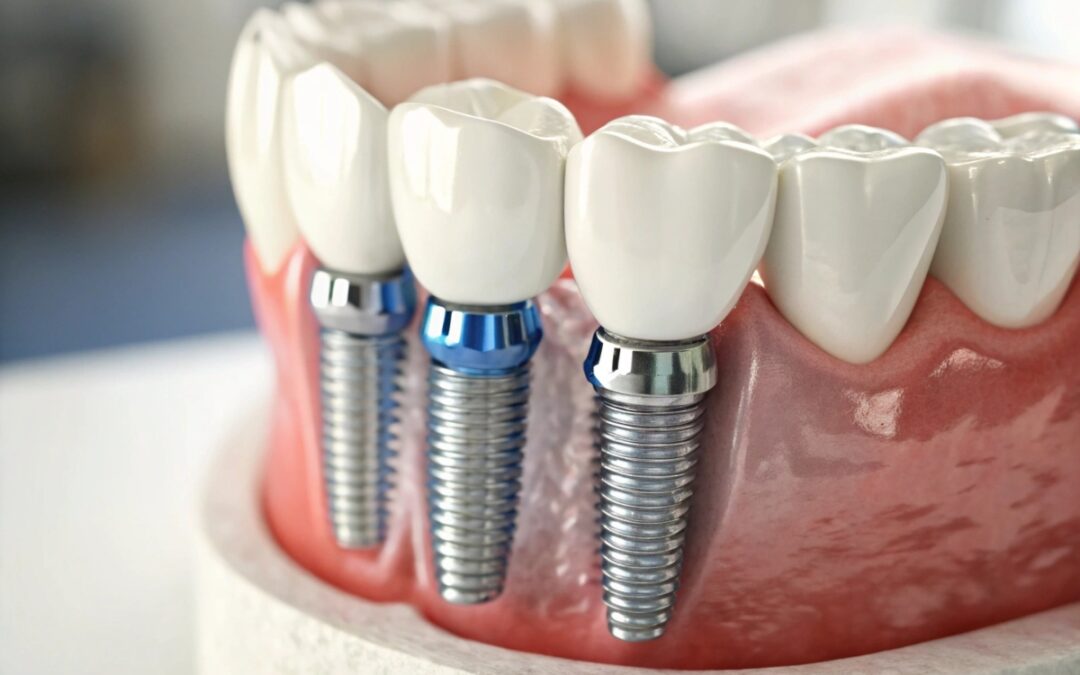
Dental implants are one of the most reliable and long-lasting solutions for replacing missing teeth. With proper care, they can last decades and in many cases, even a lifetime. However, long-term success depends heavily on how well you maintain your oral health after treatment.
To help you maintain strong, healthy results, here is a complete guide to extending the lifespan of your dental implants, along with essential care tips.
Why Dental Implants Are Built to Last
Dental implants are made of biocompatible titanium, which allows them to fuse with the jawbone through a process called osseointegration. This fusion creates a stable and durable foundation that mimics the function of natural tooth roots. Because of this, implants are more stable and long-lasting compared to traditional bridges or dentures.
Key Factors That Affect Implant Longevity
Several important factors influence how long your dental implants will last:
-
Daily oral hygiene habits
-
Overall gum health
-
Jawbone density and quality
-
Lifestyle choices such as smoking
-
Regular dental visits
-
Proper bite alignment and pressure distribution
By managing these factors consistently, you can significantly extend the life of your implants.
Daily Aftercare Tips for Healthy Implants
Good oral hygiene is the foundation of long-term implant success. Treat your implants just like natural teeth. Consistent care makes all the difference.
Brush twice a day, thoroughly, using a soft-bristled toothbrush; floss carefully around the implant; and use an antibacterial mouthwash daily. These habits help keep the surrounding gum tissue healthy, reduce the risk of infection, and maintain implant stability over time.
Brushing and Flossing the Right Way
Brushing twice a day with a soft-bristle toothbrush helps remove plaque without damaging the implant surface. Additionally, flossing around the implant crown is essential to prevent inflammation or peri-implant disease. Using floss designed for implants can make cleaning easier and more effective.
Why Antibacterial Mouthwash Matters
Antibacterial mouthwash helps reduce bacterial buildup and inflammation, especially in hard-to-reach areas around the implant. It supports gum health and is particularly useful during the healing phase and long-term maintenance.
Foods to Eat and Avoid
Stick to soft foods immediately after placement and gradually move toward a regular diet as healing progresses. Avoid chewing ice, hard candies, or sticky foods, as they can damage the implant crown or put unnecessary pressure on your restoration.
Healthy Habits That Protect Your Implants
Healthy habits play a significant role in how well your dental implants perform over time. By maintaining good oral care and avoiding harmful behaviors, you can easily extend their lifespan.
Avoiding Smoking for Better Implant Health
Smoking reduces blood flow to the gums, slows healing, and increases the risk of implant failure. Quitting or reducing smoking can significantly improve implant longevity.
The Importance of Wearing a Nightguard
If you grind or clench your teeth at night, a custom nightguard can protect your implant from excessive pressure. Grinding can loosen the implant crown or cause fractures, so wearing a nightguard is an essential preventive measure.
Protecting Implants During Physical Activities
For athletes or outdoor recreation enthusiasts, a mouthguard is crucial. It protects your implants from impact, preventing chips, fractures, or trauma to surrounding teeth.
The Importance of Professional Dental Care
Regular checkups help ensure your implants remain healthy. Your dentist can monitor the health of your gum tissue, bone levels, and implant stability. Professional cleanings remove plaque and tartar that daily brushing may miss, helping prevent complications over time.
Keep Your Dental Implants Healthy for Years
Dental implants are a long-term investment in your smile, and the right care ensures they continue to look and function their best. Staying consistent with oral hygiene, attending regular dental visits, and protecting your implants in daily life all contribute to their longevity.
At Kierland Dental Arts, the focus is on helping patients maintain long-term implant health through personalized care and education. Whether you already have implants or are considering treatment, Dr. Jeff Johannesmeyer and the team are here to guide you every step of the way. Contact us today at our Scottsdale dental office and keep your smile healthy, confident, and strong for years to come.
FAQs About Dental Implant Aftercare Tips & Local Insights
1. How long do dental implants usually last?
With proper care, dental implants can last 25 years or more, and many patients enjoy them for a lifetime.
2. Can dental implants fail over time?
Yes, though the risk is low. Poor oral hygiene, smoking, and gum disease can contribute to implant failure.
3. Do dental implants require special cleaning?
Implants require the same daily care as natural teeth—plus regular professional cleanings to prevent inflammation.
4. When can I eat normally after dental implant placement?
Soft foods are recommended initially; most patients return to normal eating within a few weeks, depending on the healing process.
5. How often should I see my dentist after getting implants?
It’s recommended to schedule checkups every 6 months—or more frequently if your dentist recommends it.
6. Does the climate in Scottsdale affect my dental implants?
Not directly, but Scottsdale’s dry climate can influence hydration and gum health, so staying hydrated is essential.
7. Can grinding my teeth damage my dental implants?
Yes. Grinding puts pressure on implants and can cause wear or damage, so a nightguard is recommended.