
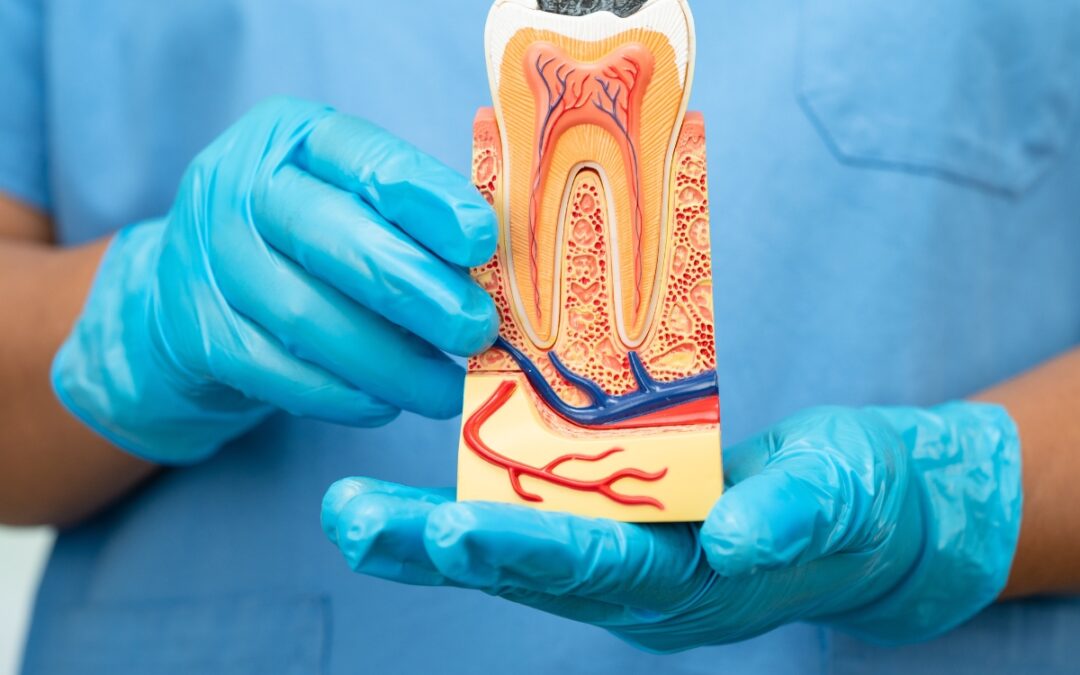
Root canal procedure has long been associated with discomfort and anxiety, but modern techniques and advancements in dental technology have made this procedure more comfortable and efficient than ever before. Today’s root canal treatments are significantly different from those of the past, focusing on patient comfort and quicker recovery times.
This transformation is reshaping how patients view the procedure and how professionals perform it. In this blog, we’ll explore how root canal therapy is evolving and how these changes are improving the patient experience everywhere.
Understanding Root Canal Treatment?
This therapy is necessary when the pulp, or the soft tissue inside the tooth, becomes infected or damaged. This can occur due to deep decay, trauma, or cracks in the tooth. In the past, the procedure was often perceived as painful, with many patients fearing the treatment due to past experiences or myths. However, the modern approach to this therapy focuses on ensuring the procedure is as comfortable and painless as possible, using advanced techniques and technology.
Dental professionals today employ advanced tools and methods to address any concerns regarding discomfort. With improved anesthesia techniques and refined procedures, patients can expect a more comfortable experience from start to finish. Modern treatment is also faster, with many procedures being completed in just one or two visits.
How Modern Techniques Make Root Canal Treatment More Comfortable?
Advancements in dental technology have drastically improved the root canal process. High-tech equipment such as digital X-rays, rotary instruments, and advanced local anesthetics is now commonly used in root canal treatment. These innovations reduce discomfort during the procedure and speed recovery. Digital X-rays, for example, provide immediate, detailed images of the affected tooth, which allows for more accurate diagnosis and precise treatment.
Rotary instruments have replaced traditional manual files, allowing dental practitioners to work more efficiently and with greater precision. These instruments rotate at high speeds, making it easier to clean and shape the root canals with minimal discomfort for the patient. With these tools, the professionals can also shorten the procedure time, reducing the patient’s overall experience in the chair.
Additionally, modern anesthetic options have made it easier for patients to remain pain-free during the procedure. Dental care providers now offer more potent, longer-lasting numbing agents, ensuring patients don’t feel any pain during treatment. Many patients report feeling little to no discomfort during the procedure itself, making the experience far more manageable than in the past.
Reducing Post-Procedure Discomfort
One of the most significant advancements in modern root canal treatment is the focus on reducing post-procedural pain. While it’s common to experience mild discomfort for a few days after the procedure, modern techniques help minimize it. By using better sealing materials and improved methods, dentists can ensure the treated area heals faster and with less discomfort.
In the past, patients could experience significant soreness for days following a root canal. Now, with modern materials and procedures, the recovery time has been shortened. Most patients can return to their normal activities within a few days, often experiencing only mild soreness that can be managed with over-the-counter pain relievers.
Why Is It Essential to Choose a Qualified Dental Professional?
In modern root canal therapy, the professional’s skill is crucial to ensuring a positive experience. A dental practitioner is familiar with the latest advancements in root canal techniques and uses the most effective tools to make the procedure as comfortable as possible. From proper diagnosis to accurate execution, a proficient dental professional ensures the best possible outcome for the patient.
It’s essential to choose a dental practitioner who understands this treatment well and is up to date with the latest technology and procedures. A dentist with specialized training in root canal procedures can offer the best options for managing your treatment with comfort and efficiency.
A Pain-Free Smile is Just a Visit Away
Modern root canal treatment has revolutionized how we approach dental care. It makes the procedure more comfortable, quicker, and more efficient than ever before. Thanks to advancements in technology and techniques, patients can experience minimal discomfort, both during and after the procedure. Whether you need root canal treatment or want to learn more about how modern dentistry is improving comfort and care, don’t hesitate to seek professional help.
If you’re experiencing discomfort or suspect you may need a root canal, schedule a quick consultation with our dental professional at Kierland Dental Arts in Scottsdale. Early intervention can prevent more serious complications and ensure that your treatment is as comfortable as possible.
FAQs About Root Canal Therapy
- How long does a root canal procedure take?
The length of a root canal varies depending on the tooth’s complexity. On average, the procedure takes 60 to 90 minutes, though some cases may require more than one visit. - Will I feel pain during a root canal?
Thanks to advanced anesthetics and modern techniques, most patients experience little to no pain during a root canal procedure. If you’re nervous about pain, your dentist will ensure you are thoroughly numbed before starting the treatment. - What is the recovery time after a root canal?
The majority of patients can return to their daily activities the following day. You may experience mild discomfort or sensitivity for a few days, but this is usually manageable with over-the-counter pain medication. - How do I know if I need a root canal?
Symptoms of needing a root canal include persistent tooth pain, sensitivity to hot or cold, swelling or tenderness in the gums, or darkening of the tooth. If you experience any of these symptoms, it’s essential to schedule an appointment with your dentist. - Are there alternatives to root canal therapy?
If root canal therapy isn’t an option for you, your dentist may recommend tooth extraction or other restorative treatments. Your dental professional will discuss the best course of action based on your individual needs. - How long does a root canal-treated tooth last?
With proper care, a tooth that has undergone root canal therapy can last for many years, sometimes for a lifetime. It’s essential to follow good oral hygiene practices and attend regular dental check-ups.